TOP5 citric acid products sold in china by 2024
Geopolitical Tensions and Their Impact on Global Petrochemical Markets
In 2026, rising geopolitical tensions in the Middle East have significantly affected global energy markets. One of the most critical oil transportation routes is the Strait of Hormuz, which handles approximately 20% of global oil shipments.
Any disruption in this region can cause immediate fluctuations in global oil prices and supply chains.
Since crude oil is the primary feedstock for many chemical products, changes in oil prices can influence the entire petrochemical industry.
Structure of the Petrochemical Supply Chain
The petrochemical supply chain can be divided into three main stages:
Upstream: crude oil extraction and refining
Midstream: basic petrochemical feedstocks
Downstream: plastics, solvents, and specialty chemicals
Price increases in upstream energy markets usually propagate throughout the entire supply chain.
Key Energy Products Affected
Major energy products include:
- Crude Oil
- Naphtha
- Liquefied Natural Gas
- Liquefied Petroleum Gas
- Gasoline
- Diesel
- Jet Fuel
These products form the foundation of global petrochemical production.
Basic Petrochemical Feedstocks
Important petrochemical feedstocks include:
- Ethylene
- Propylene
- Butadiene
- Benzene
- Toluene
- Xylene
These chemicals are mainly derived from naphtha cracking and are highly sensitive to fluctuations in crude oil prices.
Plastics and Polymers
Key plastic materials include:
- Polyethylene (PE)
- Polypropylene (PP)
- Polyvinyl Chloride (PVC)
- Polystyrene (PS)
- ABS Resin
- PET Resin
They are widely used in packaging, automotive manufacturing, consumer electronics, and construction materials.
Chemical Solvents and Intermediates
Important chemical intermediates include:
- Ethylene Glycol
- Diethylene Glycol
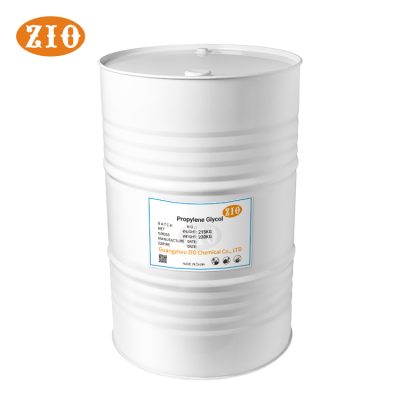
- Propylene Glycol

- Phenol
- Acetone
- Methanol
These chemicals are essential in industries such as coatings, pharmaceuticals, cosmetics, and food additives.
Agricultural Chemicals
Energy price fluctuations also affect agricultural chemical markets.
Key products include:
- Ammonia
- Urea
- Sulfur
- Diammonium Phosphate
- Sulfuric Acid
These chemicals are essential for global fertilizer production.
Conclusion
The Middle East conflict in 2026 highlights how geopolitical events can impact global petrochemical supply chains. From crude oil to plastics and fertilizers, price fluctuations can affect a wide range of industries.
For businesses in the chemical, food, and manufacturing sectors, understanding these market dynamics is essential for strategic planning and supply chain management.
FAQ
What petrochemical products are most affected by oil price increases?
Key petrochemical products affected by rising oil prices include ethylene, propylene, polyethylene, polypropylene, methanol, propylene glycol, and fertilizers such as urea and ammonia.
Why does war in the Middle East affect petrochemical prices?
The Middle East is a major global oil supplier, and important shipping routes like the Strait of Hormuz transport a large portion of the world’s oil. Any disruption in this region can significantly increase global oil and chemical prices.
Which industries are most affected by petrochemical price increases?
Industries most affected include:
- plastics manufacturing
- chemical production
- agriculture and fertilizers
- food packaging
- pharmaceuticals