TOP5 citric acid products sold in china by 2024
Introduction
Erythritol is a natural sweetener that has gained significant popularity in recent years, especially in the food and beverage industry. As a leading erythritol supplier, I am often asked whether erythritol can be used in beverages. In this blog post, I will explore the properties of erythritol, its advantages for beverage applications, and how it compares to other sweeteners.
Properties of Erythritol
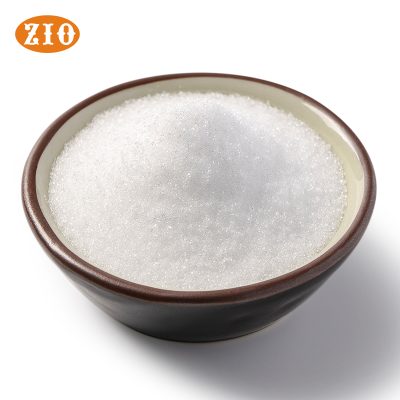
Erythritol is a sugar alcohol, also known as a polyol, that occurs naturally in fruits, fermented foods, and some mushrooms. It is produced commercially through the fermentation of glucose by yeast or other microorganisms. Erythritol has a number of unique properties that make it an attractive option for use in beverages:

- Sweetness: Erythritol is about 70% as sweet as sucrose (table sugar), providing a similar level of sweetness without the high calorie content.
- Low Calorie: Erythritol is virtually calorie-free, containing only 0.2 calories per gram compared to 4 calories per gram for sucrose. This makes it an ideal sweetener for low-calorie and sugar-free beverages.
- Cooling Sensation: When erythritol dissolves in water, it produces a cooling sensation, which can enhance the refreshing taste of beverages, especially in carbonated drinks.
- Stability: Erythritol is highly stable under a wide range of conditions, including high temperatures and acidic environments. This makes it suitable for use in a variety of beverage processing methods, such as pasteurization and canning.
- Digestibility: Unlike some other sugar alcohols, erythritol is well-tolerated by most people and does not cause digestive issues such as bloating, gas, or diarrhea. It is absorbed into the bloodstream quickly and excreted unchanged in the urine.
Advantages of Using Erythritol in Beverages
There are several advantages to using erythritol in beverages, both for consumers and manufacturers:
- Health Benefits: As a low-calorie and sugar-free sweetener, erythritol can help reduce the calorie content of beverages without sacrificing taste. This makes it a suitable option for people who are watching their weight, managing diabetes, or looking to reduce their sugar intake.
- Taste and Flavor: Erythritol has a clean, sweet taste with no aftertaste, making it a popular choice for enhancing the flavor of beverages. It can be used alone or in combination with other sweeteners to achieve the desired level of sweetness.
- Functional Properties: In addition to its sweetening properties, erythritol can also act as a humectant, helping to retain moisture in beverages and prevent them from drying out. It can also improve the texture and mouthfeel of beverages, making them more refreshing and enjoyable to drink.
- Compatibility with Other Ingredients: Erythritol is compatible with a wide range of other ingredients commonly used in beverages, including acids, flavors, and colors. This makes it easy to incorporate into existing beverage formulations without affecting the overall quality or stability of the product.
- Shelf Life: Erythritol has a long shelf life and is resistant to microbial growth, making it suitable for use in both short- and long-term storage of beverages.
Comparison with Other Sweeteners
When considering using erythritol in beverages, it is important to compare it to other sweeteners commonly used in the industry. Here is a comparison of erythritol with some other popular sweeteners:
- Sucrose (Table Sugar): Sucrose is the most commonly used sweetener in beverages, but it is high in calories and can contribute to weight gain and other health problems when consumed in excess. Erythritol, on the other hand, is virtually calorie-free and can provide a similar level of sweetness without the negative health effects.
- High-Fructose Corn Syrup (HFCS): HFCS is a sweetener made from corn starch that is commonly used in many processed foods and beverages. It is high in calories and has been linked to a number of health problems, including obesity, diabetes, and heart disease. Erythritol is a healthier alternative to HFCS, as it is low in calories and does not have the same negative health effects.
- Artificial Sweeteners: Artificial sweeteners such as aspartame, sucralose, and saccharin are commonly used in low-calorie and sugar-free beverages. While they are low in calories, some people may have concerns about their safety and potential health effects. Erythritol is a natural sweetener that is generally considered safe for consumption and does not have the same concerns as artificial sweeteners.
- Other Sugar Alcohols: Other sugar alcohols such as xylitol and sorbitol are also commonly used in beverages. While they are lower in calories than sucrose, they can cause digestive issues such as bloating, gas, and diarrhea in some people. Erythritol is well-tolerated by most people and does not cause these digestive problems.
Applications of Erythritol in Beverages
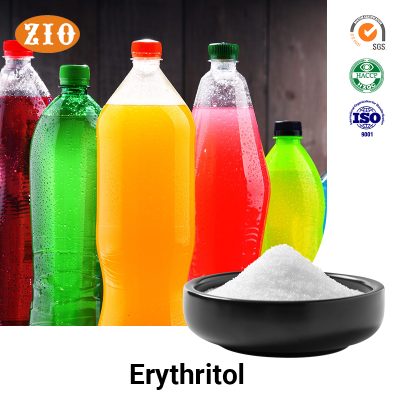
Erythritol can be used in a wide range of beverages, including carbonated drinks, fruit juices, sports drinks, energy drinks, and tea and coffee. Here are some examples of how erythritol can be used in different types of beverages:
- Carbonated Drinks: Erythritol can be used to sweeten carbonated drinks, providing a similar level of sweetness to sucrose without the high calorie content. It can also enhance the refreshing taste of carbonated drinks by producing a cooling sensation when it dissolves in water.
- Fruit Juices: Erythritol can be used to sweeten fruit juices, reducing the calorie content and providing a natural alternative to added sugars. It can also help to enhance the flavor of fruit juices and improve their texture and mouthfeel.
- Sports Drinks: Erythritol can be used in sports drinks to provide a source of energy without the high calorie content of traditional sports drinks. It can also help to replace electrolytes lost during exercise and improve hydration.
- Energy Drinks: Erythritol can be used in energy drinks to provide a source of energy without the high caffeine and sugar content of traditional energy drinks. It can also help to enhance the flavor of energy drinks and improve their overall quality.
- Tea and Coffee: Erythritol can be used to sweeten tea and coffee, providing a natural alternative to added sugars. It can also help to enhance the flavor of tea and coffee and improve their overall taste.
Conclusion
In conclusion, erythritol is a natural sweetener that has a number of unique properties and advantages for use in beverages. It is low in calories, has a clean, sweet taste, and is well-tolerated by most people. It can be used in a wide range of beverages, including carbonated drinks, fruit juices, sports drinks, energy drinks, and tea and coffee. As a leading erythritol supplier, we are committed to providing high-quality erythritol products that meet the needs of our customers. If you are interested in using erythritol in your beverage products, please contact us to discuss your specific requirements and to learn more about our products and services.
References