TOP5 citric acid products sold in china by 2024
Pickled foods have been a part of human diet for centuries, offering not only unique flavors but also extended shelf – life. Preservatives play a crucial role in maintaining the quality and safety of these pickled delicacies. As a preservatives supplier, I have in – depth knowledge of the various preservatives used in pickled foods. In this blog, I will discuss some of the commonly used preservatives, their functions, and why they are essential for pickled products.
Sorbic Acid Preservative
Sorbic acid is a widely used preservative in the food industry, including pickled foods. It is a natural organic compound that has excellent antimicrobial properties. Sorbic Acid Preservative is effective against a broad spectrum of microorganisms, such as molds, yeasts, and some bacteria.
In pickled foods, sorbic acid works by inhibiting the growth and reproduction of these microorganisms. It can penetrate the cell membranes of the microbes and disrupt their metabolic processes. This helps to prevent spoilage, mold growth, and off – flavors in pickled products. For example, in pickled cucumbers or pickled fruits, sorbic acid can maintain the freshness and texture of the product for a longer time.
The advantage of using sorbic acid is that it is relatively safe for human consumption. It has been approved by many food safety authorities around the world. It also has a low impact on the taste and odor of pickled foods, allowing the natural flavors of the pickled ingredients to shine through.
Potassium Sorbate
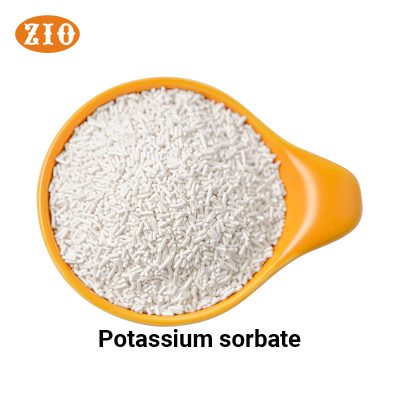
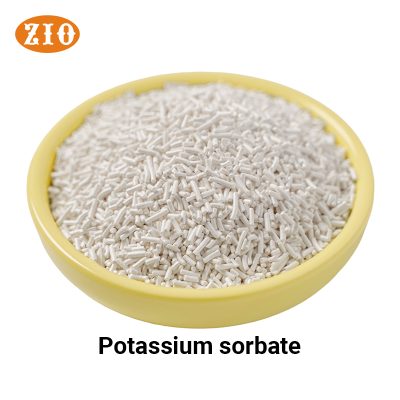
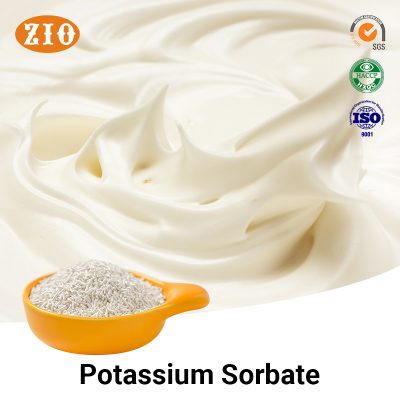
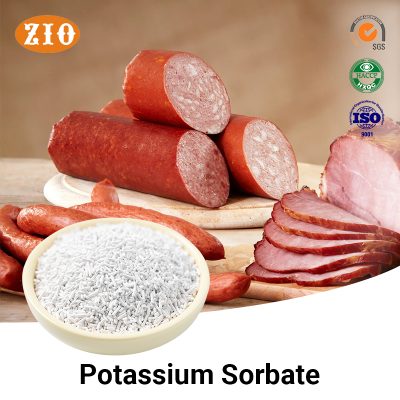
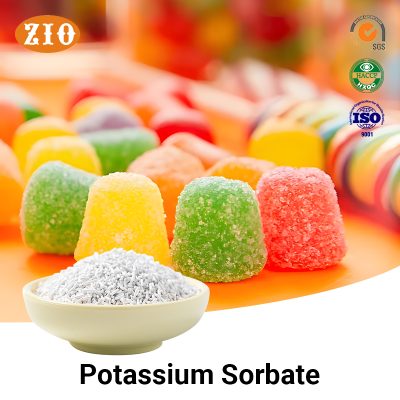
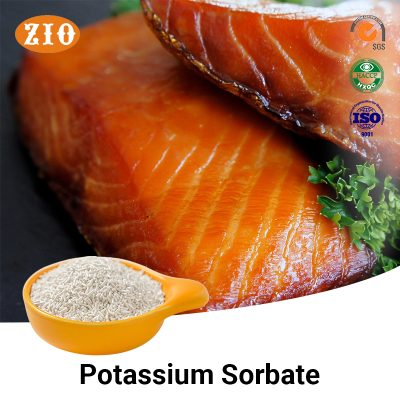
Potassium sorbate is the potassium salt of sorbic acid. Potassium Sorbate is more soluble in water compared to sorbic acid, which makes it easier to use in pickling solutions. It has the same antimicrobial properties as sorbic acid and is often used interchangeably in many pickled food applications.
One of the key benefits of potassium sorbate is its ability to control the growth of yeast and mold at a wide range of pH values. In pickled foods with different acidity levels, potassium sorbate can still effectively inhibit the growth of spoilage organisms. For instance, in pickled olives or pickled vegetables with varying pH, potassium sorbate can ensure the long – term stability of the product.
Potassium sorbate is also heat – stable, which means it can withstand the processing temperatures involved in pickling, such as pasteurization. This makes it a reliable choice for pickled foods that require heat treatment during production.
Preservative Nisin Powder
Preservative Nisin Powder is a natural antimicrobial peptide produced by certain strains of bacteria. It is particularly effective against Gram – positive bacteria, which are often responsible for spoilage in pickled foods.
Nisin works by binding to the cell walls of bacteria and causing the leakage of cellular contents, ultimately leading to the death of the bacteria. In pickled foods, nisin can prevent the growth of harmful bacteria such as Clostridium botulinum, which is a major concern in low – acid pickled products.
One of the unique features of nisin is its natural origin. It is considered a safe and clean – label ingredient, which is highly desirable in today’s market where consumers are more conscious about the ingredients in their food. Nisin can be used in combination with other preservatives to enhance the overall preservation effect in pickled foods.
Other Preservatives
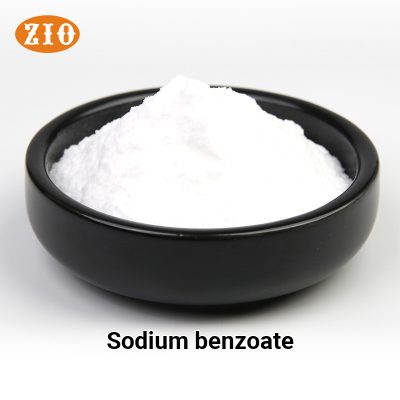
Apart from the above – mentioned preservatives, there are other substances used in pickled foods. Sodium benzoate is another common preservative. It is effective against yeasts, molds, and some bacteria. Sodium benzoate works best in acidic environments, which is suitable for many pickled products. It can be used in pickled fruits, pickled sauces, and some types of pickled meats.
Calcium propionate is often used to prevent the growth of mold in pickled bread – based products or pickled items with a high carbohydrate content. It inhibits the growth of mold by interfering with the mold’s metabolic pathways.
Factors Affecting the Choice of Preservatives
When choosing preservatives for pickled foods, several factors need to be considered. The type of pickled product is crucial. For example, pickled vegetables may require different preservatives compared to pickled meats. The pH of the pickling solution also plays a significant role. Some preservatives work better in acidic conditions, while others are more effective in neutral or slightly alkaline environments.
The processing methods used in pickling, such as heat treatment, also influence the choice of preservatives. Heat – stable preservatives are preferred if the pickled product undergoes pasteurization or other heat – based processes.
Consumer preferences and regulatory requirements are also important. In some regions, certain preservatives may be restricted or have specific usage limits. Additionally, consumers are increasingly looking for natural and clean – label preservatives, which has led to the growing popularity of substances like nisin.
The Role of Preservatives in Ensuring Food Safety
Preservatives in pickled foods are not just about extending shelf – life; they are also essential for ensuring food safety. By inhibiting the growth of harmful microorganisms, preservatives prevent the production of toxins and the spread of food – borne illnesses. For example, in pickled products with low acid levels, the use of preservatives like nisin can prevent the growth of Clostridium botulinum, which can produce a deadly toxin
In addition, preservatives help to maintain the quality of pickled foods during storage and transportation. They prevent the development of off – flavors, discoloration, and texture changes, ensuring that the pickled products reach the consumers in a fresh and appealing state.
Our Offer as a Preservatives Supplier
As a preservatives supplier, we understand the diverse needs of the pickled food industry. We offer a wide range of high – quality preservatives, including sorbic acid, potassium sorbate, and nisin powder. Our products are sourced from reliable manufacturers and are subject to strict quality control measures.
We provide technical support to our customers, helping them to choose the most suitable preservatives for their pickled products. Whether you are a small – scale pickler or a large – scale food manufacturer, we can offer customized solutions based on your specific requirements.
If you are in the pickled food business and are looking for reliable preservatives, we invite you to contact us for a detailed discussion. We are committed to providing you with the best products and services to ensure the success of your pickled food products.
References
- Davidson, P. M., & Harrison, M. A. (2002). Antimicrobials in food. CRC Press.
- Sofos, J. N. (2008). Preservative agents in foods: Mode of action and microbial resistance mechanisms. Journal of Food Safety, 28(2), 224 – 245.
- Roller, S., & Seedhar, S. (2002). Natural antimicrobials for the minimal processing of foods. CRC Press.