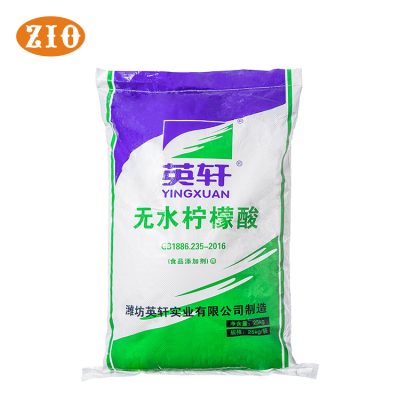
TOP5 citric acid products sold in china by 2024
Food acidulants, also known as acidity regulators, are essential functional ingredients widely used across the global food and beverage industry. While commonly associated with sour taste, acidulants play a far more complex role in food formulation, influencing flavor balance, product stability, shelf life, safety, and consumer perception.
From beverages and confectionery to dairy products, sauces, and processed foods, acidulants serve as foundational components that help manufacturers achieve consistency, quality, and regulatory compliance.
As consumer demand shifts toward better-tasting, longer-lasting, and cleaner-label products, acidulants have evolved from simple additives into strategic formulation tools.
What Are Food Acidulants?
Food acidulants are food-grade acids or acid salts added to products to adjust acidity, enhance flavor, control pH, and support preservation. Mostfood acidulants are organic acids naturally found in fruits, vegetables, or fermented foods.
In modern food systems, acidulants are selected not only for taste, but also for their functional interactions with proteins, sugars, fats, colors, and preservatives.
Core Functions of Acidulants in Food Formulation
Flavor Enhancement and BalanceAcidulants sharpen flavor perception and prevent products from tasting flat or overly sweet. In fruit-flavored foods, acidity enhances authenticity and brightness.
pH Control and StabilityPrecise pH adjustment helps stabilize proteins, emulsions, and colors, especially in beverages and dairy systems.
Shelf-Life Extension and Food Safety
Lower pH environments inhibit microbial growth and improve the effectiveness of preservatives, contributing to longer shelf life and safer products.
Sensory Layering and Mouthfeel
Different acidulants release acidity at different speeds, allowing formulators to design multi-layered taste experiences.
Major Types of Food Acidulants and Their Characteristics
Citric Acid
Citric acid is the most widely used food acidulant globally. It delivers a clean, sharp sour taste and dissolves quickly, making it ideal for beverages, confectionery, sauces, and powdered mixes.
Key features:
- Fast-acting acidity
- High solubility
- Strong buffering capacity
Malic Acid
Malic acid provides a smoother and longer-lasting sourness. It is especially effective in fruit-based applications and reduced-sugar formulations.
Key features:
- Extended flavor release
- Improved mouthfeel
- High compatibility with fruit flavors
Lactic Acid
Lactic acid offers mild, rounded acidity and is commonly used in dairy products, fermented foods, and savory applications.
Key features:
- Natural fermented profile
- Protein-friendly acidity
- Suitable for clean-label positioning
Tartaric Acid
Tartaric acid delivers strong, intense acidity and is often associated with grape-based products and specialty confectionery.
Key features:
- High acid strength
- Limited dosage range
- Often used in blends
Fumaric Acid
Fumaric acid is valued for its strong acidity and low hygroscopicity, making it suitable for dry mixes and bakery applications.
Key features:
- Low moisture absorption
- Slow solubility
- Long-lasting acidity
Acidulants in Beverage Applications
Beverages represent the largest application segment for acidulants. From carbonated drinks to functional beverages and powdered mixes, acidulants define refreshment, balance sweetness, and ensure safety.
Key Beverage Functions
- Enhance freshness and drinkability
- Mask bitterness from vitamins and minerals
- Stabilize color and flavor over shelf life
Common Strategies
- Citric acid for fast refreshment
- Malic acid for flavor persistence
- Blended acid systems for balanced profiles
Acidulants in Confectionery and Snack Foods
In confectionery, acidulants are central to consumer excitement and repeat purchase. Sourness creates contrast, depth, and memorable taste experiences.
Applications Include
- Hard candy and gummies
- Sour coatings and seasonings
- Chewy and functional candies
Trends
- Growing demand for sour and tangy snacks
- Multi-stage flavor release
- Controlled-release and blended acid systems
Acidulants in Dairy and Fermented Foods
Dairy systems are highly sensitive to pH changes. Acidulants must support protein stability while preserving delicate flavors.
Key Roles
- Stabilize milk proteins
- Support fermentation
- Improve microbial safety
Lactic acid remains the most important acidulant in dairy, often supported by citric or malic acid for fine pH adjustment.
Acidulants in Sauces, Condiments, and Processed Foods
In sauces and savory foods, acidulants contribute to flavor balance, preservation, and product consistency.
Common applications include:
- Ketchup and tomato sauces
- Salad dressings
- Pickled and marinated products
Acidulants interact with salt, sugar, and fats to create balanced, stable formulations.
Single Acid vs Blended Acid Systems
While single acidulants may work for simple products, blended acid systems are increasingly preferred in modern food development.
Advantages of Blended Systems
- More natural acidity
- Reduced sharpness
- Better flavor layering
- Improved compatibility with sweeteners
Blended acidulants allow manufacturers to optimize performance without increasing total acid usage.
Regulatory and Compliance Considerations
Food acidulants must comply with international food safety regulations, including:
- FDA GRAS status
- EU food additive regulations
- National maximum usage limits
Manufacturers exporting globally must ensure proper documentation, labeling, and compliance with target market standards.
Selecting the Right Acidulant Supplier
Choosing an acidulant supplier is a strategic decision that impacts quality, consistency, and long-term success.
Key Evaluation Criteria
- Food-grade certifications
- Batch-to-batch consistency
- Technical application support
- Stable supply capacity
Reliable suppliers provide not only ingredients but also formulation expertise.
Market Trends and Future Outlook
The global acidulant market continues to grow, driven by:
- Demand for natural and clean-label ingredients
- Expansion of functional foods and beverages
- Innovation in low-sugar and better-for-you products
Asia-Pacific remains one of the fastest-growing regions, supported by beverage and processed food demand.
Conclusion
Food acidulants are far more than souring agents. They are essential tools that influence flavor quality, product stability, safety, and consumer satisfaction.
As food systems become more complex and consumer expectations continue to rise, acidulants will play an increasingly strategic role in food innovation and brand differentiation.
For manufacturers seeking consistency, performance, and global competitiveness, a well-designed acidulant strategy is no longer optional—it is essential.