TOP5 citric acid products sold in china by 2024
Acidulants are one of the most widely used foundational additives in the food and beverage industry. Beyond simply providing sourness, they play critical roles in flavor enhancement, pH adjustment, microbial inhibition, color stability, texture improvement, and overall product preservation. From beverages, confectionery, bakery items, condiments, frozen treats, to nutritional products, acidulants are indispensable.
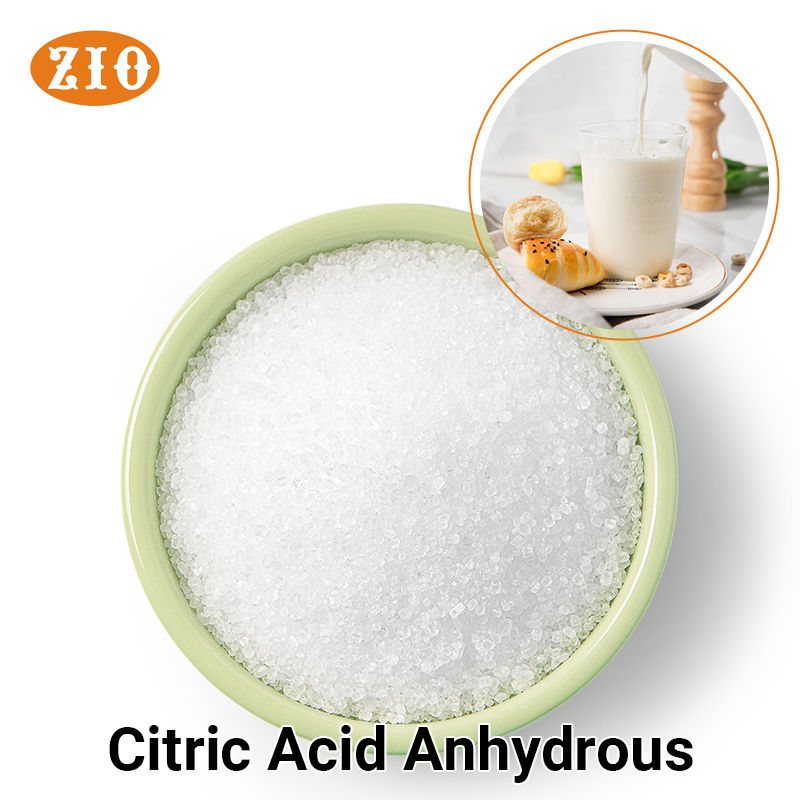
As the food industry moves toward clean-label, natural, functional, and low-sugar products, the use and demand for acidulants are evolving rapidly. This article provides a comprehensive scientific and practical overview of acidulants, covering definitions, types, functionality, mechanisms, formulation strategies, industrial applications, and future market trends. It is designed for food manufacturers, R&D teams, ingredient distributors, and brand owners seeking deeper understanding and effective use of acidulants
1. What Are Acidulants?-Definition and Key Characteristics
Acidulants are acidic substances added to foods to provide sour taste, regulate acidity, enhance flavor, and improve product stability. They can originate from natural fruit sources, fermentation processes, biological extraction, or chemical synthesis.
Key Characteristics of Acidulants
Provide sour taste
Regulate pH and acidity
Enhance sweetness, saltiness, and fruitiness
Inhibit microbial growth and extend shelf life
Stabilize color, vitamins, and aroma compounds
Improve texture and mouthfeel
Work synergistically with sweeteners, thickeners, and flavorings
2. The Science Behind Sourness-Why Do Foods Taste Sour?
Sourness occurs when hydrogen ions (H⁺) from acidic compounds stimulate sour taste receptors on the tongue. When acidulants dissolve in water, they release hydrogen ions, triggering the sour taste sensation.
Different Acidulants Produce Different Sourness Profiles
Even at the same pH, different acidulants deliver unique taste characteristics:
Citric Acid: sharp, refreshing, fast-impact sourness
Malic Acid: smooth, lingering, natural fruit-like sourness
Lactic Acid: mild, creamy, fermented notes
Tartaric Acid: strong, sharp, impactful sourness
Acetic Acid: pungent, volatile sourness
Food scientists select acidulants based on product positioning and desired flavor profile.
3. Main Types of Acidulants and Their Characteristics
Acidulants used in the food industry can be categorized into the following groups:
1. Organic Acids
These are the most common acidulants, typically derived from fruits, fermentation, or biochemical processes.
(1) Citric Acid
The world’s most widely used acidulant.
Characteristics:
Bright, refreshing sourness
High solubility
Strong pH adjustment ability
Excellent chelating properties (improves oxidative stability)
Applications: beverages, candy, sauces, baked goods, frozen desserts.
(2) Malic Acid
Known for its natural, long-lasting, rounded sourness.
Characteristics:
More gentle and persistent than citric acid
Enhances fruit flavors
Boosts sweetness perception
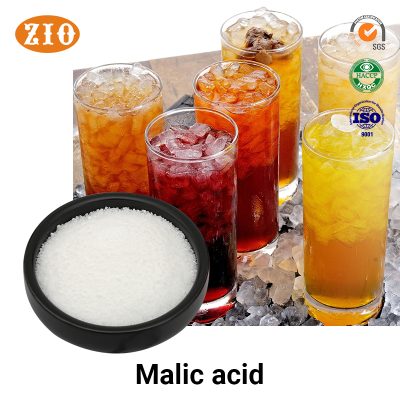
Applications: juices, dairy beverages, flavored water, gummies.
(3) Tartaric Acid
Common in grape-related products.
Characteristics:
Sharp, intense sourness
Applications: sports drinks, alcoholic beverages, grape-flavored products.
(4) Lactic Acid
Provides mild sourness with fermented notes.
Characteristics:
Gentle, creamy, naturally fermented taste
Applications: yogurt drinks, pickled foods, sauces.
(5) Acetic Acid
Strong vinegar-like flavor.
Applications: pickles, condiments, sauces.
2. Acid Salts
Examples:
Sodium citrate
Potassium malate
Sodium acid pyrophosphate (SAPP)
Potassium bitartrate
Functions:
Create buffering systems
Stabilize pH
Affect texture, aeration, leavening
3. Natural Acidulants
Growing rapidly due to clean-label trends:
Lemon juice powder
Tamarind acid
Vinegar powder
Fermented plant acids
Highly demanded in beverages and snacks.
4. Functional Mechanisms of Acidulants in Food
Acidulants do far more than provide sourness-they influence nearly every aspect of food quality.
1. Flavor Enhancement & Mouthfeel Improvement
Sourness helps:
Balance sweetness
Reduce greasiness
Enhance fruit flavor
Improve aroma release
Increase beverage “refreshing” character
In beverages, acidulants significantly impact perceived quality.
2. pH Adjustment & Food Stability
Acidulants help achieve required pH targets, ensuring safety and quality.
Functions include:
Inhibiting microbial growth
Stabilizing natural colors (e.g., anthocyanins)
Reducing vitamin degradation
Controlling protein denaturation
Preventing sedimentation in colloid beverages
Typical pH ranges:
Fruit juices: 3.0–4.2
Tea beverages: 3.3–4.0
Gel products: 3.0–3.5
3. Extending Shelf Life
Low pH slows the growth of yeasts, molds, and bacteria. Citric acid is commonly used for microbial control in beverages and sauces.
4. Enhancing Sweetness and Other Taste Notes
Acidulants interact with sweeteners:
| Sweetener | Best Acidulant Combination |
|---|---|
| Sucralose | Citric Acid |
| Erythritol | Lactic Acid (reduces cooling effect) |
| Stevia | Malic Acid (reduces bitterness) |
| Aspartame | Malic Acid |
5. Activating Aroma Release
Proper acidity increases volatility of flavor molecules, making beverages more aromatic.
5. Applications of Acidulants in Major Food Categories
1. Beverage Industry
The largest consumer of acidulants.
Typical usage:
Fruit juices: citric + malic acid
Carbonated drinks: citric acid
Sports drinks: citric acid + citrate buffer
Tea beverages: malic acid for better tea aroma
2. Confectionery
Acidulants affect both flavor and texture.
Gummies: malic acid for round sourness
Hard candy: citric acid for impactful sourness
Sour powder coatings: citric + tartaric acid
3. Bakery
Used in leavening systems:
SAPP
Potassium bitartrate
Applications: cakes, muffins, cookies.
4. Seasonings & Condiments
Lactic acid, acetic acid, and citric acid are widely used in:
Pickles
Sauces
Salad dressings
Hot pot bases
5. Frozen Foods
For ice cream, popsicles, and sorbets:
citric acid + malic acid improves fruitiness and refreshing quality.
6. Acidulant Blending Strategies-Why Blends Work Better Than Single Acids
Most successful formulations combine multiple acidulants for an optimized flavor profile.
Common Blends
1. Citric Acid + Malic Acid (Most Classic)
Citric acid provides initial impact
Malic acid provides long-lasting sourness
Ideal for: fruit beverages, flavored water, gummies.
2. Citric Acid + Lactic Acid
Cleaner natural taste
Reduces harshness
Best for: low-sugar beverages, fermented drinks.
3. Malic Acid + Tartaric Acid
Enhances grape and berry flavors with layered sourness.
4. Citric Acid + Citrate Salts
Creates a stable buffer system needed for sports drinks.
7. Common Issues & Solutions When Using Acidulants
| Problem | Cause | Solution |
|---|---|---|
| Harsh sourness | Too much citric acid | Increase malic acid |
| Color fading | pH too high | Adjust pH to 3.0–3.5 |
| Beverage turbidity | pH fluctuations, colloid instability | Use citrate buffer |
| Off-taste sweetness | Wrong acid-sweet ratio | Maintain 1:8–1:12 |
| Artificial sourness | Poor flavor match | Use blended acidulant systems |
8. Regulatory and Safety Considerations
Acidulants are generally recognized as safe (GRAS), but regulations vary by region.
Key compliance factors:
Stay within permitted usage limits
Follow country-specific labeling rules
Avoid use in infant food (varies by country)
9. Future Market Trends
The acidulant market will continue expanding, driven by:
1. Growing Demand for Natural Ingredients
Natural lemon juice powder, fermented acids, and fruit acids are rising rapidly.
2. Expansion of Sugar-Free and Low-Calorie Products
Acidulants must better complement high-intensity sweeteners.
3. Rise of Complex Acidulant Systems
Pre-mixed acidulant blends provide consistent flavor and stability.
4. Functional Acidulants
Such as:
Mineral-rich citrates
Fermented plant acids
10. Conclusion
Acidulants are among the most influential and multifunctional additives in modern food production. From flavor to stability, color to preservation, they impact nearly every aspect of product development.
For manufacturers, traders, and R&D teams, understanding acidulants is essential for creating high-quality, great-tasting, and shelf-stable products that meet today’s consumer expectations for natural, healthy, and premium foods.
-5-400x400-c.jpg)