TOP5 citric acid products sold in china by 2024
Hey there! As a preservatives supplier, I often get asked how these little magic ingredients work in marinated foods. Well, let’s dive right in and explore the science behind it.
First off, what are marinated foods? Marinating is a process where you soak food, usually meat, fish, or vegetables, in a mixture of herbs, spices, acids (like vinegar or lemon juice), and sometimes oils. This not only adds flavor but also helps to tenderize the food. However, marinated foods are also prone to spoilage because they’re often stored at room temperature during the marinating process and then refrigerated. That’s where preservatives come in.
Preservatives work in several ways to keep marinated foods fresh and safe to eat. One of the main mechanisms is by inhibiting the growth of microorganisms such as bacteria, yeast, and mold. These microorganisms are the main culprits behind food spoilage, as they break down the food’s nutrients and produce unpleasant odors, flavors, and textures.
Let’s take a closer look at some common preservatives used in marinated foods and how they work.
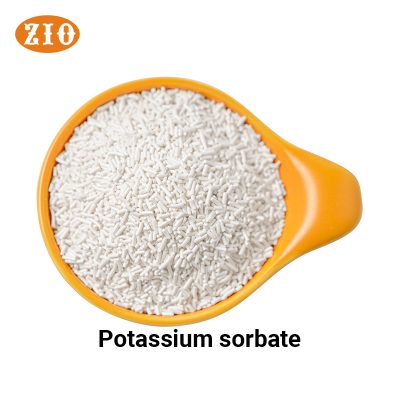
Potassium Sorbate
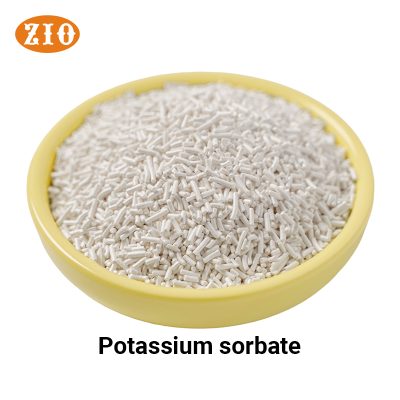
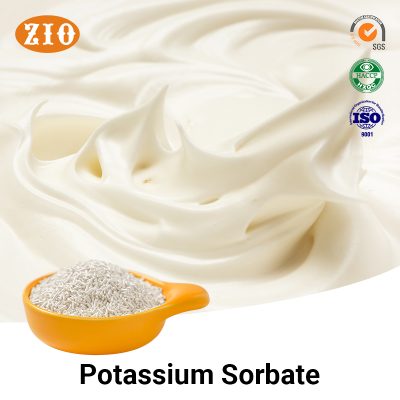
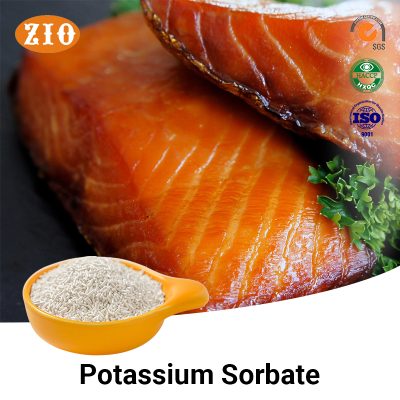
Potassium sorbate is a widely used preservative in the food industry, including marinated foods. It’s a salt of sorbic acid, and it works by interfering with the cell membrane and metabolic processes of microorganisms. When potassium sorbate is added to marinated foods, it dissociates into sorbic acid, which is the active form. Sorbic acid can penetrate the cell membrane of microorganisms and disrupt their enzyme systems, preventing them from growing and multiplying.
You can find high – quality Potassium Sorbate Powder CAS 246 376 1 that’s perfect for marinated foods. It’s effective against a wide range of yeasts and molds, and it’s also relatively stable under different pH conditions. This means it can be used in various types of marinades, whether they’re acidic or slightly alkaline.
Calcium Propionate
Calcium propionate is another popular preservative, especially in bread and some marinated products. It works by inhibiting the growth of mold and some bacteria. When calcium propionate is added to marinated foods, it releases propionic acid, which has antimicrobial properties. Propionic acid can lower the pH inside the microbial cell, making it difficult for the microorganisms to survive and reproduce.
If you’re looking for calcium propionate for your marinated bread products, check out Calcium Propionate Powder in Bread. It’s a great option to extend the shelf – life of your marinated bread and keep it fresh for longer.
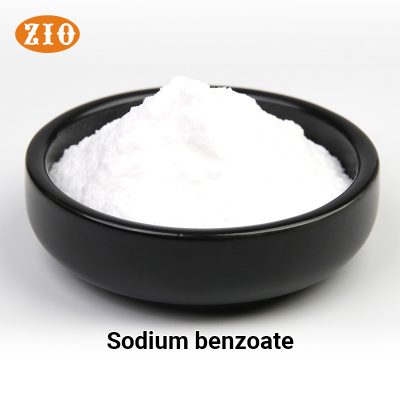
Sodium Benzoate
Sodium benzoate is a well – known preservative used in many food and beverage products, including marinated foods. It’s the sodium salt of benzoic acid. In an acidic environment, which is common in many marinades due to the presence of vinegar or other acidic ingredients, sodium benzoate is converted into benzoic acid. Benzoic acid can inhibit the growth of bacteria, yeast, and mold by interfering with their metabolic pathways.
If you’re interested in using sodium benzoate in your marinated food products or even in cosmetics, you can learn more about Sodium Benzoate Chemical Formula in Cosmetics and Sodium Benzoate CAS 532 32 1. It’s a versatile preservative that can be used in different formulations.
Interaction with Other Components in Marinades
Preservatives don’t work in isolation. They interact with other components in the marinade, such as acids, salt, and spices. For example, acids like vinegar can lower the pH of the marinade, which can enhance the effectiveness of some preservatives. Many preservatives work better in an acidic environment because the acidic conditions can help them to penetrate the cell membranes of microorganisms more easily.
Salt is another important component in marinades. It not only adds flavor but also has some antimicrobial properties of its own. When combined with preservatives, salt can create a more inhospitable environment for microorganisms. Spices, on the other hand, can also have some antibacterial and antifungal properties. For instance, garlic and oregano have been shown to have antimicrobial effects. When these spices are used in marinades along with preservatives, they can work synergistically to keep the marinated food fresh.
Factors Affecting Preservative Effectiveness
There are several factors that can affect the effectiveness of preservatives in marinated foods. One of the most important factors is the pH of the marinade. As mentioned earlier, many preservatives work better in an acidic environment. So, if the pH of the marinade is too high, the preservatives may not be as effective.
The temperature is also crucial. Microorganisms grow more rapidly at warmer temperatures. Therefore, if marinated foods are stored at high temperatures, the preservatives may have a harder time keeping the food safe. That’s why it’s important to follow proper storage guidelines for marinated foods.
The concentration of the preservative is another key factor. If the concentration is too low, it may not be able to inhibit the growth of microorganisms effectively. On the other hand, if the concentration is too high, it may affect the taste and quality of the marinated food.
Regulatory Considerations
It’s important to note that the use of preservatives in marinated foods is regulated by government agencies. These agencies set limits on the types and amounts of preservatives that can be used in food products to ensure the safety of consumers. As a preservatives supplier, we make sure that all our products comply with these regulations. For example, in the United States, the Food and Drug Administration (FDA) has established strict guidelines for the use of preservatives in food.
Potassium Sorbate E202 in Food
Potassium Sorbate E202 is a common food additive. It’s classified as a preservative and is widely used in marinated foods. It has a good safety profile and is approved for use in many countries. It helps to extend the shelf – life of marinated foods without significantly altering their taste.

Conclusion
In conclusion, preservatives play a vital role in keeping marinated foods fresh, safe, and flavorful. They work by inhibiting the growth of microorganisms, and they interact with other components in the marinade to create a more protective environment. When choosing preservatives for your marinated food products, it’s important to consider factors like pH, temperature, and regulatory requirements.
If you’re in the business of making marinated foods or any other food products and are looking for high – quality preservatives, we’re here to help. We offer a wide range of preservatives to meet your specific needs. Contact us today to discuss your requirements and let’s start a great business partnership!
References
- Davidson, P. M., Branen, A. L., & Sofos, J. N. (Eds.). (2005). Antimicrobials in foods. CRC Press.
- Gould, G. W. (Ed.). (1996). New methods of food preservation. Springer.
- López – Mendoza, M. E., & Escartín, C. (2012). Food preservatives: A review. Journal of Food Science and Technology, 49(2), 133 – 141.