TOP5 citric acid products sold in china by 2024
Hey there! As a Vitamin E supplier, I’ve been getting a ton of questions lately about whether Vitamin E can really improve bone health. So, I thought I’d dive into the topic and share what I’ve found.
First off, let’s talk a bit about what Vitamin E is. Vitamin E is a fat – soluble vitamin that acts as a powerful antioxidant in our bodies. It helps protect our cells from damage caused by free radicals, which are unstable molecules that can harm our cells and contribute to various diseases.
Now, onto the big question: can it improve bone health? Well, initially, bone health might not be the first thing that comes to mind when you think about Vitamin E. Usually, calcium, Vitamin D, and Vitamin K are the nutrients that are most commonly associated with strong bones. But recent studies have started to suggest that Vitamin E could also play an important role.
Bones are living tissues that are constantly being broken down and rebuilt. Osteoblasts are the cells responsible for building new bone, while osteoclasts break down old or damaged bone. A healthy balance between these two processes is crucial for maintaining good bone density and strength.

One of the ways Vitamin E might influence bone health is through its antioxidant properties. Oxidative stress, which is an imbalance between free radicals and antioxidants in the body, can have a negative impact on bone metabolism. When there’s too much oxidative stress, it can increase the activity of osteoclasts, leading to more bone breakdown than bone formation. Vitamin E can help neutralize those free radicals, potentially reducing oxidative stress and promoting a healthier bone – remodeling process.
Some animal studies have shown promising results. For example, in certain research on rodents, mice that were given Vitamin E supplements had increased bone density and improved bone quality compared to those that didn’t receive the supplements. However, it’s important to note that just because it works in animals doesn’t always mean the same results will occur in humans.
In human studies, the evidence is a bit more mixed. Some observational studies have found associations between higher Vitamin E intake and better bone health in older adults. For instance, people who consume more Vitamin E – rich foods in their diet or take supplements seem to have a lower risk of osteoporosis, which is a condition characterized by brittle and porous bones. But these are just associations, and they don’t prove that Vitamin E directly causes better bone health.
One of the challenges in human research is that there are many factors that can affect bone health, such as age, gender, physical activity level, and diet. It’s difficult to isolate the effect of Vitamin E alone. Also, the form of Vitamin E matters. There are different types of Vitamin E, including alpha – tocopherol, gamma – tocopherol, and others. Each type might have different effects on bone health, and most studies have focused on alpha – tocopherol.
If you’re thinking about increasing your Vitamin E intake to support bone health, there are a few ways to do it. You can get Vitamin E from food sources. Nuts and seeds, like almonds and sunflower seeds, are great sources. Spinach and avocado are also good options. But if you’re not getting enough through your diet, supplements can be a convenient alternative.
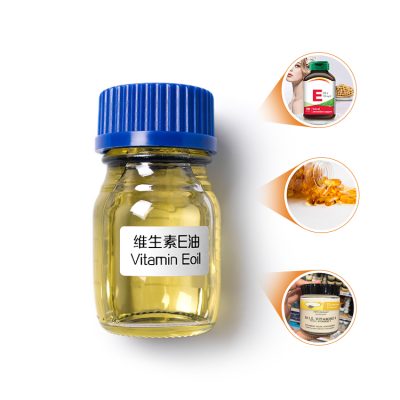
As a Vitamin E supplier, I offer Vitamin E Powder 25kg/bag. It’s a high – quality product that can be easily incorporated into your diet. Whether you’re looking to add it to your smoothies or use it in your cooking, it’s a practical way to up your Vitamin E intake.
Now, it’s important to talk about safety. While Vitamin E is generally considered safe when taken in recommended doses, taking too much can have potential side effects. High doses of Vitamin E supplements have been associated with increased risk of bleeding in some cases. So, it’s always a good idea to talk to your doctor before starting any new supplement regimen.
And Vitamin E doesn’t work alone in the body. It can interact with other nutrients. For example, it works well with Vitamin C. Vitamin C is another antioxidant, and the two can work in synergy to enhance each other’s effects. Vitamin C is also important for collagen synthesis, which is a key component of bone structure.
Other vitamins also play important roles in bone health. Nicotinamide Powder and Vitamin B3 Powder are involved in various metabolic processes in the body, and they might also have some indirect effects on bone health. And then there’s Coated Ascorbic Acid, which is a stable form of Vitamin C that can be beneficial in supporting overall health, including bone health.
In conclusion, while the evidence is not conclusive, there’s increasing reason to believe that Vitamin E could have a positive impact on bone health. It’s definitely worth considering adding more Vitamin E – rich foods to your diet, and if you need an extra boost, supplements can be an option. But always remember to consult your healthcare provider first.
If you’re interested in purchasing high – quality Vitamin E products for your personal use, dietary supplement business, or other needs, feel free to reach out. I’m here to help you find the right solutions for your Vitamin E requirements and can provide more information on our product range.
References:
- Some animal studies on Vitamin E and bone density
- Observational studies on Vitamin E intake and osteoporosis in humans