TOP5 citric acid products sold in china by 2024
Importance of Xanthan Gum in Food
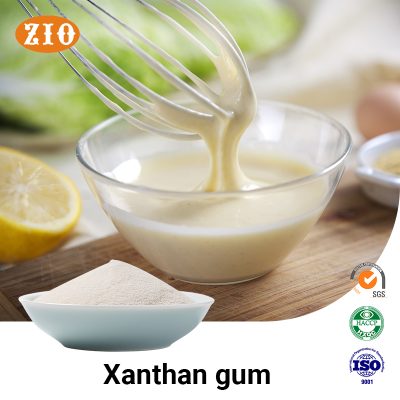
Xanthan gum plays a crucial role in the food industry as a versatile thickener and stabilizer. It enhances texture, improves mouthfeel, and extends shelf life, making it indispensable in dairy, beverages, sauces, bakery, and frozen foods.
Core Functions in Food
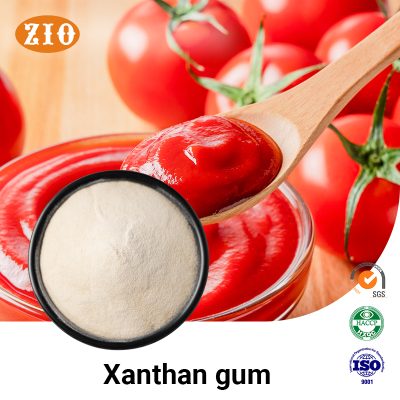
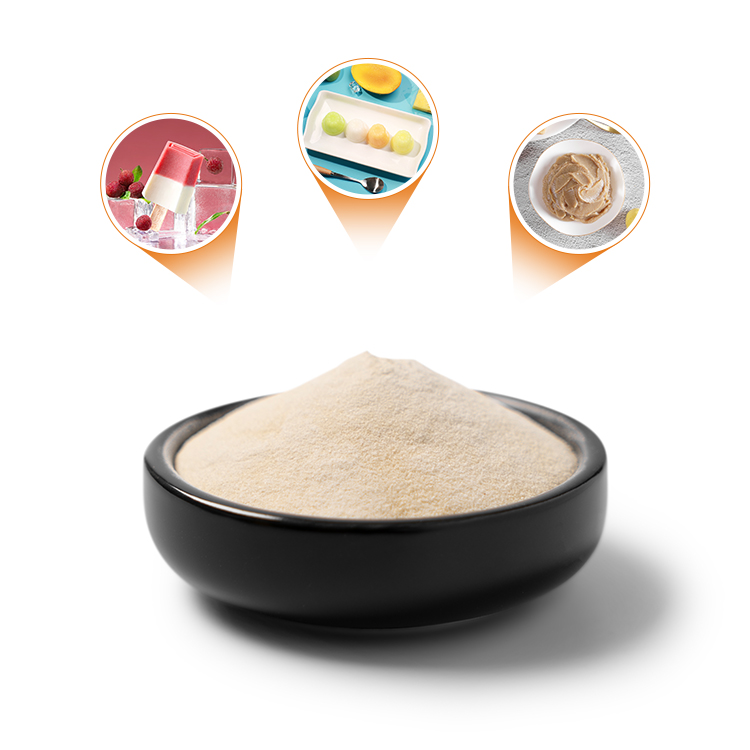
- Thickening: Increases viscosity at low concentrations, e.g., salad dressings, ketchup.
- Suspension: Keeps fruit pulp evenly distributed in juices.
- Emulsion Stabilization: Prevents separation in mayonnaise and dairy beverages.
- Heat and Acid Resistance: Works well in acidic beverages and carbonated drinks.
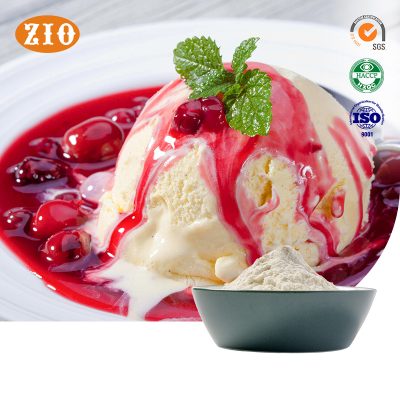
- Texture Enhancement: Improves smoothness in puddings and ice cream.
Typical Applications
- Dairy Products: Prevents whey separation in yogurt.
- Beverages: Maintains stability in juice drinks.
- Sauces and Condiments: Provides consistency in ketchup and salad dressings.
- Frozen Foods: Improves melt resistance in ice cream.
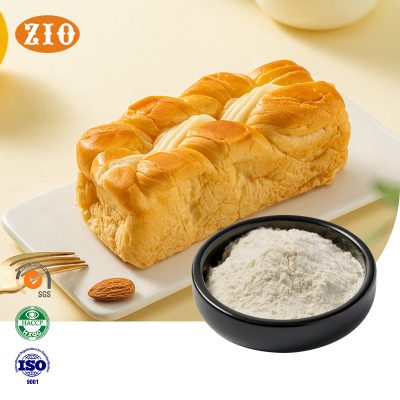
- Bakery: Retains moisture in cakes and bread.
Comparison with Other Thickeners
- Gelatin: Xanthan gum is plant-based, suitable for vegans.
- Guar Gum: Xanthan gum is more stable in acidic and salty systems.
- CMC (Carboxymethyl Cellulose): Xanthan gum is more efficient at lower dosages.
Market Trends
The growing demand for clean-label and plant-based foods is driving the adoption of xanthan gum as a natural and safe additive in the food industry.