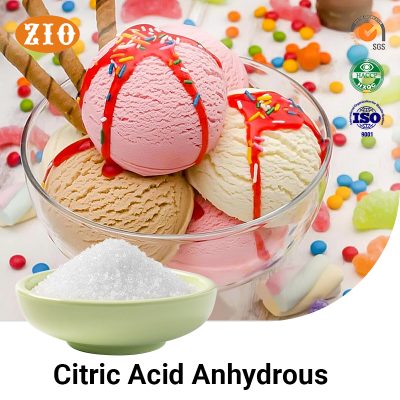
TOP5 citric acid products sold in china by 2024
Are there any regulations for using acidity regulators?
As a supplier of acidity regulators, I often encounter inquiries from customers about the regulations governing the use of these essential food additives. Acidity regulators play a crucial role in the food and beverage industry, influencing the taste, texture, and shelf – life of products. However, their usage is not without rules and guidelines to ensure consumer safety and product quality.
Understanding Acidity Regulators
Acidity regulators are substances used to change or maintain the acidity or alkalinity of food products. They can be organic or inorganic acids, bases, or salts. Common examples include citric acid, tartaric acid, sodium citrate, and potassium bitartrate. These regulators are used in a wide range of products such as soft drinks, dairy products, baked goods, and processed meats.
For instance, Qualified Raw Material Tartaric Acid Powder is a popular choice for winemaking and the production of certain confectionery items. It helps to adjust the acidity levels, preventing spoilage and enhancing the overall flavor profile of the end – product.
Global Regulations
Regulatory bodies around the world have established strict regulations for the use of acidity regulators. In the European Union (EU), the use of food additives, including acidity regulators, is governed by Regulation (EC) No 1333/2008. This regulation sets out the rules for the authorization, use, labeling, and safety assessment of food additives. Each additive is assigned an E – number, and only those with a specific E – number are permitted for use in the EU. For example, citric acid has the E – number E330, and its use is regulated in terms of the types of food products it can be added to and the maximum permitted levels.
In the United States, the Food and Drug Administration (FDA) regulates food additives under the Federal Food, Drug, and Cosmetic Act (FD&C Act). Acidity regulators are classified as “Generally Recognized as Safe” (GRAS) substances when used in accordance with good manufacturing practices. The FDA conducts safety assessments of these substances and publishes regulations on their approved uses and allowable levels. For example, Crystalline Fine Powder Sodium Citrate, which is commonly used as a buffering agent and pH regulator in food products, must comply with the FDA’s regulations for its intended use.

Importance of Regulation
The regulations for using acidity regulators are of utmost importance for several reasons. Firstly, they protect consumer health. By setting maximum limits on the use of these additives, regulatory bodies ensure that consumers are not exposed to excessive amounts of potentially harmful substances. Secondly, regulations help to maintain product quality and consistency. When used within the specified limits, acidity regulators can effectively control the pH of food products, preventing spoilage and ensuring uniform taste and texture.
For example, in the production of canned fruits, the use of Potassium Bitartrate As Raising Agent Fo Food as an acidity regulator helps to maintain the firmness and color of the fruits, while also extending their shelf – life. Without proper regulation, the over – or under – use of this additive could lead to product degradation or safety risks.
Compliance in Our Supply
As a supplier of acidity regulators, compliance with these regulations is our top priority. We ensure that all our products meet the regulatory requirements of different markets. Our team of experts is well – versed in the various regulations around the world, and we conduct regular quality control checks to guarantee the purity and safety of our products.
For instance, our Food Grade Vitamin C Ascorbic Acid Powder Antioxidants And Flavor Supplement For Beverages Dried Style in Bag Packaging is produced in strict accordance with the relevant food safety regulations. We source our raw materials from reliable suppliers and adhere to Good Manufacturing Practices (GMP) to ensure the highest quality of our products.
Challenges in Compliance
However, compliance with regulations is not without challenges. Different countries and regions may have different sets of regulations, which can create difficulties for international suppliers like us. For example, some countries may have more restrictive limits on the use of certain acidity regulators, or they may require additional documentation and testing.
Another challenge is the constantly evolving nature of regulations. Regulatory bodies regularly update their guidelines based on new scientific research and safety concerns. This means that we need to stay vigilant and adapt our production processes and product formulations accordingly.
Our Response to Challenges
To address these challenges, we have established a dedicated regulatory affairs team. This team closely monitors changes in regulations across different markets and ensures that our products remain compliant. We also invest in research and development to improve our products and make them more adaptable to different regulatory environments.
For example, when there are changes in the regulations regarding the use of Tartaric Acid CAS 526 83 0, our team assesses the impact on our product and modifies our production process or labeling if necessary.
The Future of Acidity Regulator Regulations
The future of acidity regulator regulations is likely to be influenced by several factors. One of the key trends is the increasing focus on natural and clean – label ingredients. Consumers are becoming more health – conscious and are demanding food products with fewer synthetic additives. This may lead to stricter regulations on the use of certain synthetic acidity regulators and an increase in the use of natural alternatives.
Another factor is the globalization of the food industry. As food products are traded across borders more frequently, there is a growing need for harmonization of regulations. International organizations are working towards developing common standards for food additives to facilitate trade and ensure consumer safety.
Contact Us for Procurement
If you are in the market for high – quality acidity regulators that comply with all relevant regulations, we are here to assist you. Our extensive range of products is carefully formulated to meet the diverse needs of the food and beverage industry. Whether you are looking for tartaric acid, sodium citrate, or any other acidity regulator, we can provide you with the best solutions.
Contact us today to start a procurement discussion. We are committed to offering excellent customer service and will work closely with you to understand your requirements and provide the most suitable products.
References
- European Commission. Regulation (EC) No 1333/2008 on food additives.
- United States Food and Drug Administration. Federal Food, Drug, and Cosmetic Act.
- Scientific publications on food safety and the use of acidity regulators in the food industry.

-5-400x400-c.jpg)