TOP5 citric acid products sold in china by 2024
Pie fillings are a vital part of the beloved dessert, offering a burst of flavor and a pleasing texture. However, achieving the perfect consistency in pie fillings can be a challenge. This is where food thickeners come into play. As a leading food thickener supplier, I am excited to delve into the science behind how food thickeners work in pie fillings and explore the various types available in the market.
The Science of Thickening in Pie Fillings
Before we explore the different types of food thickeners, it’s essential to understand the basic science behind thickening in pie fillings. Pie fillings typically contain a combination of fruits, sugar, water, and sometimes other flavorings. When heated, the water in the filling starts to evaporate, and the fruit releases its natural juices. The goal of thickening is to create a stable gel-like structure that holds the filling together and prevents it from becoming too runny both during baking and when the pie is served.
Thickening agents work by interacting with the water molecules in the filling. They can either absorb water, form a network that traps water, or increase the viscosity of the liquid. This process helps to give the filling a more substantial and desirable consistency.
Types of Food Thickeners for Pie Fillings
1. Soy Protein Isolate
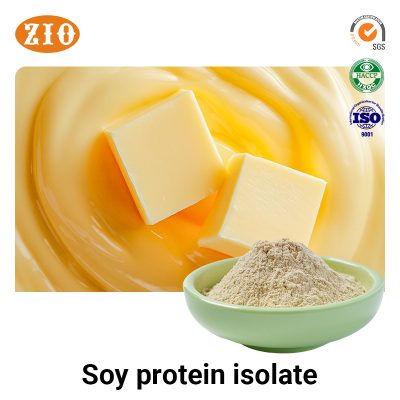
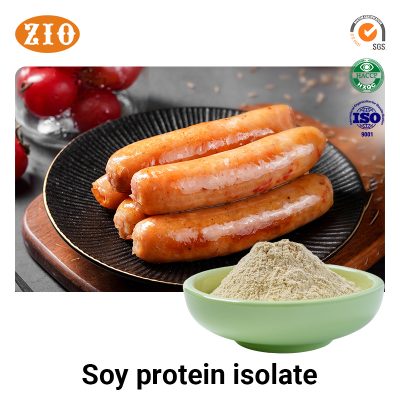
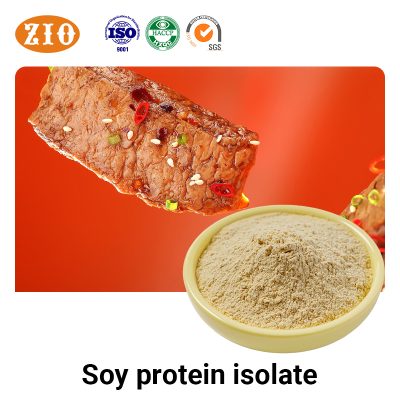
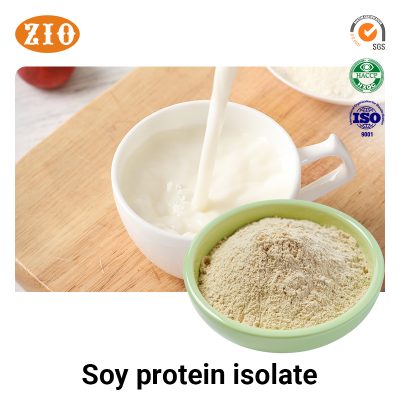
Soy Protein Isolate is a high – quality protein derived from soybeans. It has excellent thickening and gelling properties. When added to pie fillings, soy protein isolate can form a three – dimensional network that traps water and other components of the filling. This network helps to prevent the collapse of the structure during baking and cooling. It also provides some nutritional benefits, as it is a rich source of protein. The protein molecules in soy protein isolate unfold when heated and then re – associate to form a gel matrix, which gives the pie filling a smooth and creamy texture.
2. Thichener Carrageenan
Thichener Carrageenan is a natural polysaccharide extracted from red seaweed. It is a popular choice for thickening pie fillings due to its ability to form gels at low concentrations. Carrageenan has different types, such as kappa, iota, and lambda, each with distinct gelling properties. In pie fillings, kappa – carrageenan is often used to create firm gels, while iota – carrageenan can produce more elastic gels. When carrageenan is added to the pie filling and heated, it dissolves in the water. As the filling cools, the carrageenan molecules start to associate with each other and form a gel network, which thickens the filling and gives it a stable structure.
3. Microcrystalline Cellulose MCC
Microcrystalline Cellulose MCC is a purified, partially depolymerized cellulose. It is widely used as a thickener and stabilizer in the food industry. In pie fillings, MCC works by absorbing water and swelling to form a thick and viscous mass. It can also prevent the formation of ice crystals in frozen pies, which helps to maintain the texture and quality of the filling. The cellulose particles in MCC interact with each other and with other components of the filling, creating a stable structure that resists syneresis (the separation of liquid from the gel).
4. Xanthan Gum Thichener
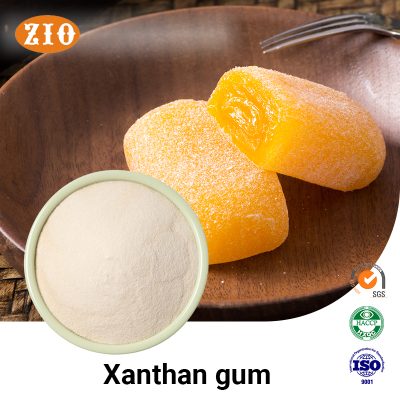
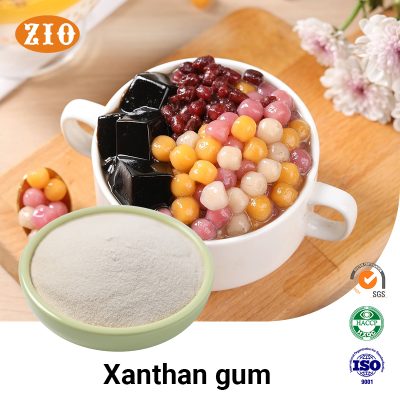
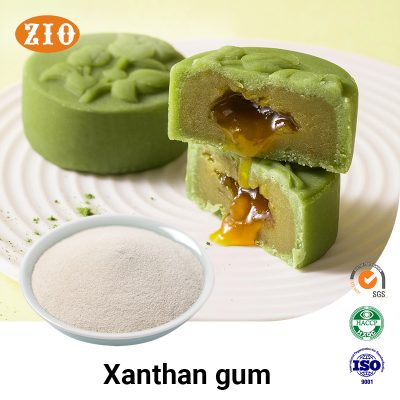
Xanthan Gum Thichener is a polysaccharide produced by the fermentation of glucose or sucrose by the bacterium Xanthomonas campestris. It is known for its high viscosity at low concentrations and its ability to form a stable, pseudoplastic solution. In pie fillings, xanthan gum thickens the liquid phase by increasing its resistance to flow. It can also improve the mouthfeel of the filling, giving it a more luxurious and smooth texture. Xanthan gum forms a loose network in the filling, which helps to hold the ingredients together and prevent settling.
5. Tween 20,40,60,80
Tween 20,40,60,80 are a group of emulsifiers and stabilizers. They are used in pie fillings to improve the dispersion of fats and oils, which can enhance the overall texture and stability of the filling. These compounds have a hydrophilic (water – loving) head and a hydrophobic (water – hating) tail, which allows them to reduce the surface tension between the water and oil phases in the filling. By doing so, they help to create a more uniform and stable emulsion, which contributes to the thickening and smoothness of the pie filling.


Factors Affecting the Performance of Food Thickeners in Pie Fillings
The effectiveness of food thickeners in pie fillings can be influenced by several factors:
1. Temperature
The thickening process is often temperature – dependent. Most thickeners require heating to dissolve and fully hydrate in the pie filling. For example, carrageenan and many starches need to be heated to a certain temperature to form a gel. On the other hand, some thickeners may lose their thickening ability if over – heated. It is crucial to follow the recommended temperature guidelines when using food thickeners in pie fillings.
2. pH
The pH of the pie filling can also affect the performance of thickeners. Some thickeners, such as proteins, are more stable at certain pH ranges. For instance, soy protein isolate may have different thickening properties at different pH values. Adjusting the pH of the filling can optimize the thickening effect of the chosen thickener.
3. Concentration
The amount of thickener used in the pie filling is a critical factor. Using too little thickener may result in a runny filling, while using too much can make the filling too thick and gummy. It is important to determine the appropriate concentration based on the type of thickener and the desired consistency of the filling.
4. Interaction with Other Ingredients
The presence of other ingredients in the pie filling, such as acids (from fruits), sugars, and salts, can interact with the thickener and affect its performance. For example, sugar can influence the gelling temperature and the strength of the gel formed by the thickener. Understanding these interactions is essential for achieving the best results in pie filling thickening.
Practical Tips for Using Food Thickeners in Pie Fillings
- Pre – hydration: Some thickeners, like xanthan gum, may form lumps if added directly to the filling. It is advisable to pre – hydrate them in a small amount of water before adding them to the main filling.
- Gradual addition: When adding thickeners to the pie filling, it is best to add them gradually while stirring constantly. This helps to ensure even distribution and prevents the formation of clumps.
- Testing: It is always a good idea to test the thickening agent in a small batch of filling before making a large – scale production. This allows you to adjust the amount of thickener and other parameters to achieve the desired consistency.
Conclusion
Food thickeners play a crucial role in achieving the perfect consistency in pie fillings. As a food thickener supplier, I am committed to providing high – quality thickeners that meet the diverse needs of pie makers. Whether you are looking for a natural thickener like carrageenan or a functional protein like soy protein isolate, we have a wide range of options to suit your requirements.
If you are in the business of making pies or other baked goods and are interested in exploring our food thickeners, we invite you to reach out to us for a detailed discussion. We can provide you with samples, technical support, and customized solutions to help you create delicious and high – quality pie fillings. Let’s work together to take your pie – making to the next level.
References
- BeMiller, J. N., & Whistler, R. L. (Eds.). (2009). Starch: Chemistry and technology. Elsevier.
- Dickinson, E. (2010). Food emulsions: Principles, practices, and techniques. CRC Press.
- Jeremiah, L. E. (2015). Food thickeners and gelling agents. CRC Press.