TOP5 citric acid products sold in china by 2024
CLactic acid, a compound that has found its way into various industries, from food to cosmetics and pharmaceuticals, often sparks a debate among scientists and industry professionals alike: Is lactic acid a strong or weak acid? As a leading lactic acid supplier, we’re here to delve into the science behind this question and shed light on its implications for different applications.
Understanding Acidity: Strong vs. Weak Acids
Before diving into lactic acid specifically, it’s essential to understand the difference between strong and weak acids. Acidity is determined by the ability of an acid to donate a proton (H⁺ ion) in an aqueous solution. Strong acids, such as hydrochloric acid (HCl) and sulfuric acid (H₂SO₄), completely dissociate in water, releasing all their protons. This results in a high concentration of H⁺ ions in the solution, leading to a low pH value.
On the other hand, weak acids, like acetic acid (CH₃COOH) and carbonic acid (H₂CO₃), only partially dissociate in water. They establish an equilibrium between the undissociated acid molecules and the dissociated ions. As a result, the concentration of H⁺ ions in the solution is lower compared to strong acids, and the pH is higher.

The Case of Lactic Acid
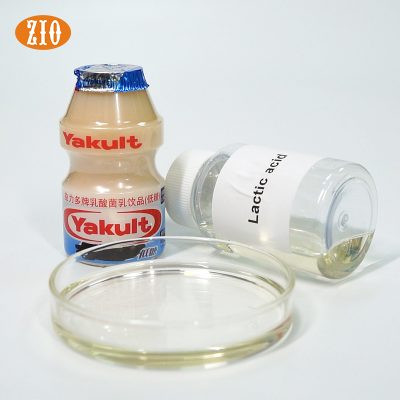
Lactic acid (C₃H₆O₃) is an organic acid that occurs naturally in the human body, particularly during intense exercise when the muscles produce it as a byproduct of anaerobic respiration. It’s also produced by certain bacteria during fermentation, which is why it’s commonly found in fermented foods like yogurt, sauerkraut, and pickles.
When lactic acid is dissolved in water, it undergoes partial dissociation according to the following equation:
C₃H₆O₃ ⇌ C₃H₅O₃⁻ + H⁺
This indicates that lactic acid is a weak acid. The equilibrium constant for this reaction, known as the acid dissociation constant (Ka), is a measure of the acid’s strength. For lactic acid, the Ka value is approximately 1.38 x 10⁻⁴ at 25°C. A lower Ka value indicates a weaker acid, as it means that only a small fraction of the acid molecules dissociate in water.
Factors Affecting Lactic Acid’s Acidity
While lactic acid is inherently a weak acid, its acidity can be influenced by several factors, including temperature, concentration, and the presence of other substances.
- Temperature: Generally, an increase in temperature favors the dissociation of acids, leading to a higher concentration of H⁺ ions and a lower pH. However, the effect of temperature on lactic acid’s acidity is relatively small compared to other factors.
- Concentration: As the concentration of lactic acid in a solution increases, the number of acid molecules available for dissociation also increases. This leads to a higher concentration of H⁺ ions and a lower pH. However, the relationship between concentration and pH is not linear, as the dissociation of lactic acid is an equilibrium process.
- Presence of other substances: The presence of other substances in the solution can affect lactic acid’s acidity by either enhancing or inhibiting its dissociation. For example, the presence of a strong base can react with the H⁺ ions produced by lactic acid, shifting the equilibrium towards the dissociation of more acid molecules. On the other hand, the presence of a buffer can resist changes in pH by absorbing or releasing H⁺ ions.
Applications of Lactic Acid in Different Industries
The weak acidic nature of lactic acid makes it suitable for a wide range of applications in various industries. Here are some examples:
- Food industry: Lactic acid is commonly used as an acidulant, flavor enhancer, and preservative in the food industry. It can be found in a variety of products, including dairy products, beverages, baked goods, and meat products. Its mild acidity helps to adjust the pH of the food, improve its flavor, and inhibit the growth of microorganisms. For example, in the production of yogurt, lactic acid bacteria ferment lactose to produce lactic acid, which gives yogurt its characteristic tangy flavor and thick texture.
- Cosmetics industry: Lactic acid is a popular ingredient in skincare products due to its exfoliating and moisturizing properties. It can help to remove dead skin cells, improve skin texture, and enhance the absorption of other skincare ingredients. Its mild acidity makes it suitable for use on sensitive skin, as it is less likely to cause irritation compared to stronger acids. For example, lactic acid is often used in chemical peels to treat acne, hyperpigmentation, and fine lines.
- Pharmaceutical industry: Lactic acid is used in the pharmaceutical industry as a pH adjuster, solvent, and excipient. It can help to improve the solubility and stability of drugs, as well as enhance their absorption and bioavailability. Its weak acidic nature makes it suitable for use in a variety of pharmaceutical formulations, including oral tablets, capsules, injections, and topical creams. For example, lactic acid is often used in the production of intravenous fluids to maintain the pH of the solution within a physiological range.
Comparison with Other Acids
To better understand lactic acid’s acidity, it’s helpful to compare it with other acids commonly used in the food and beverage industry. Here are some examples:
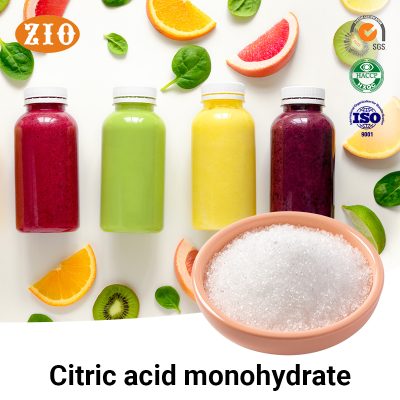
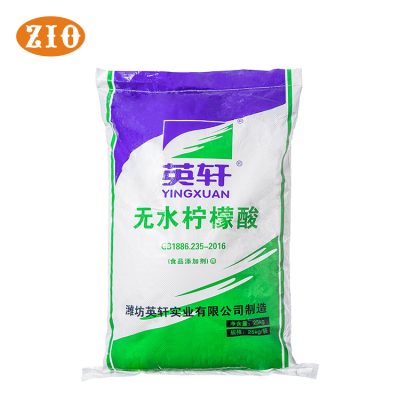
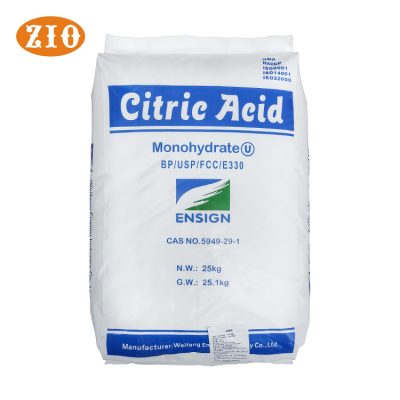
- Citric Acid Monohydrate 8 – 40 Mesh: Citric acid is a weak organic acid that is widely used as an acidulant, flavor enhancer, and preservative in the food and beverage industry. It has a higher acid dissociation constant (Ka = 7.4 x 10⁻⁴) compared to lactic acid, which means that it is a stronger acid. Citric acid is commonly used in soft drinks, fruit juices, and dairy products to provide a tart flavor and adjust the pH.
- Citric Acid Monohydrate Food Grade: Similar to citric acid monohydrate 8 – 40 mesh, food-grade citric acid monohydrate is a popular acidulant in the food industry. It has the same chemical properties as citric acid and is commonly used in a variety of food products, including candies, jams, and sauces.
- Food Grade DL – Malic Acid Acidity Regulator Use For Candy: DL – malic acid is a weak organic acid that is commonly used as an acidulant and flavor enhancer in the food industry. It has a similar acid dissociation constant (Ka = 3.9 x 10⁻⁴) to lactic acid, which means that it is a slightly stronger acid. DL – malic acid is commonly used in candies, fruit-flavored beverages, and chewing gums to provide a sour flavor.
- Citric Acid Monohydrate: As mentioned earlier, citric acid monohydrate is a weak organic acid that is widely used in the food and beverage industry. It has a higher acid dissociation constant compared to lactic acid, which means that it is a stronger acid. Citric acid monohydrate is commonly used in a variety of food products, including soft drinks, fruit juices, and dairy products.
- Fumaric Acid Powder: Fumaric acid is a weak organic acid that is commonly used as an acidulant and flavor enhancer in the food industry. It has a lower acid dissociation constant (Ka = 9.3 x 10⁻⁴) compared to citric acid, which means that it is a weaker acid. Fumaric acid is commonly used in baked goods, fruit-flavored beverages, and confectionery products to provide a tart flavor and adjust the pH.
Conclusion
In conclusion, lactic acid is a weak acid that only partially dissociates in water. Its weak acidic nature makes it suitable for a wide range of applications in various industries, including food, cosmetics, and pharmaceuticals. While its acidity can be influenced by factors such as temperature, concentration, and the presence of other substances, it remains a relatively mild acid compared to stronger acids like hydrochloric acid and sulfuric acid.
As a leading lactic acid supplier, we offer high-quality lactic acid products that meet the strictest industry standards. Whether you’re looking for lactic acid for food, cosmetics, or pharmaceutical applications, we have the expertise and resources to provide you with the right solution. If you’re interested in learning more about our lactic acid products or have any questions, please feel free to contact us to discuss your specific requirements and explore potential partnerships.
References
- Atkins, P. W., & de Paula, J. (2014). Physical Chemistry. Oxford University Press.
- Fennema, O. R. (1996). Food Chemistry. Marcel Dekker.
- Lehninger, A. L., Nelson, D. L., & Cox, M. M. (2008). Principles of Biochemistry. W. H. Freeman.