TOP5 citric acid products sold in china by 2024
Food acidulants, also known as acidity regulators, are among the most widely used functional ingredients in the global food industry. While they are commonly associated with providing sour taste, their real value lies in how they influence flavor balance, product stability, shelf life, and overall sensory performance.
Understanding the different types of acidulants and their functional characteristics is essential for food manufacturers aiming to develop consistent, competitive, and compliant products.

The Role of Acidulants Beyond Sour Taste
In modern food formulation, acidulants serve multiple purposes simultaneously. They do not merely add acidity but actively shape how sweetness, saltiness, and flavor compounds are perceived. A well-designed acid system can elevate fruit flavors, reduce excessive sweetness, stabilize proteins, and enhance microbial safety.
For this reason, selecting the right acidulant is a technical decision rather than a purely sensory one.
Classification of Food Acidulants
Food acidulants can be broadly classified into organic acids and inorganic acids. In food applications, organic acids dominate due to their safety profile and sensory compatibility.
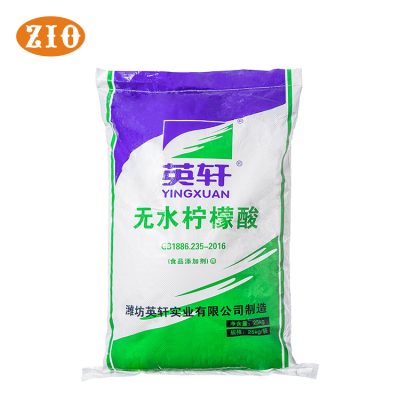
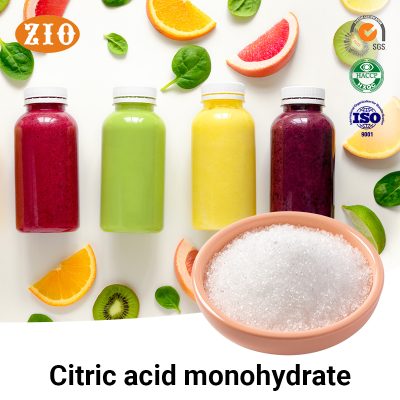
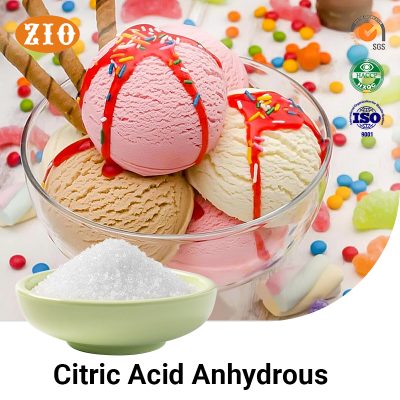
Citric Acid
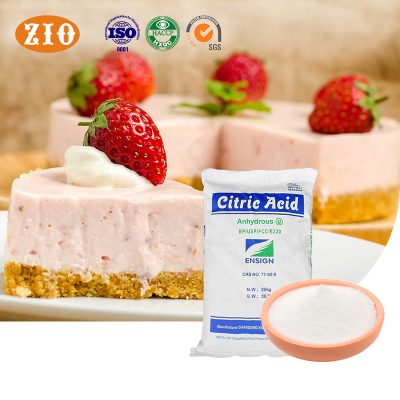
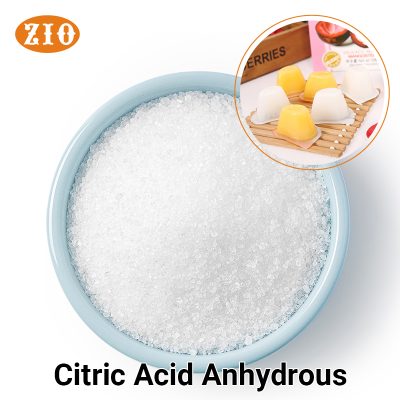
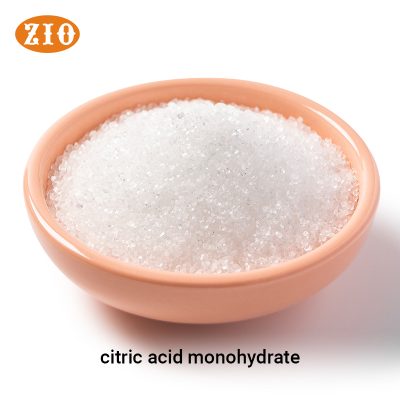
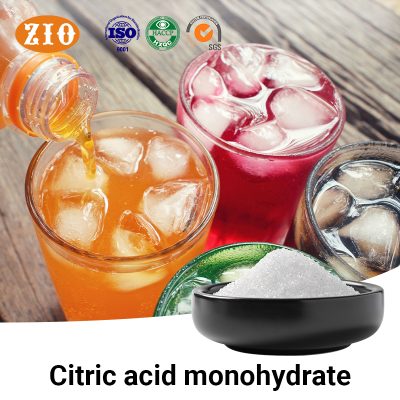
Citric acid is the most commonly used food acidulant worldwide. Naturally present in citrus fruits, it delivers a sharp, clean sour taste that is instantly recognizable.
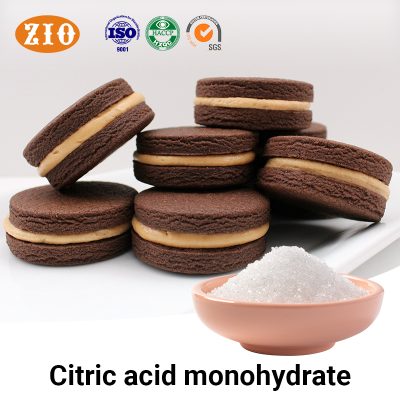
Key characteristics include high solubility, strong buffering capacity, and excellent compatibility with beverage systems. Citric acid is widely used in soft drinks, powdered beverages, confectionery, sauces, and dairy-based drinks.
However, its sourness is relatively fast-acting and short-lasting, which can sometimes result in a sharp taste spike without a lingering aftertaste.
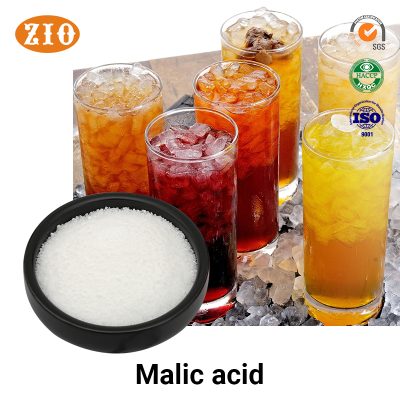
Malic Acid
Malic acid provides a smoother, longer-lasting sourness compared to citric acid. Naturally occurring in apples and many fruits, it is particularly effective in fruit-flavored products.
Its slower flavor release makes it ideal for confectionery, chewing gum, functional beverages, and reduced-sugar formulations. Malic acid enhances flavor authenticity and improves mouthfeel, especially in low-calorie systems where sweetness is limited.
Tartaric Acid
Tartaric acid delivers a very strong and intense sourness. It is commonly associated with grape-based products and is used selectively in confectionery and specialty foods.
Due to its high acidity, tartaric acid must be carefully dosed. It is often used in combination with other acidulants to avoid excessive sharpness.
Lactic Acid
Lactic acid offers a mild, smooth, and naturally fermented sour profile. It is widely used in dairy products, fermented foods, sauces, and meat products.
Unlike fruit acids, lactic acid contributes to a creamy, rounded acidity that enhances savory and fermented flavor profiles. It is particularly valued in products where aggressive sourness would be undesirable.
Fumaric Acid
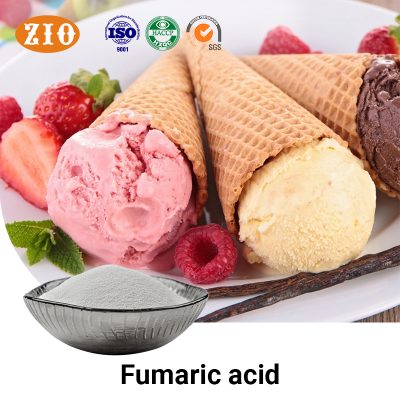
Fumaric acid is known for its strong acidity and low hygroscopicity. It is often used in dry mixes, bakery products, and powdered beverages where moisture control is critical.
Its slow solubility makes it suitable for applications requiring delayed acid release, such as chewy candies and baking systems.
Choosing the Right Acidulant for Different Applications
Each food category demands a different acid profile. Beverages require quick solubility and clean sourness, confectionery benefits from long-lasting acidity, dairy products need gentle pH control, and sauces require acid stability over extended storage periods.
As a result, many manufacturers rely on blended acid systems rather than a single acidulant to achieve optimal performance.
Functional Differences in Food Systems
Beyond taste, acidulants influence:
pH control and buffering capacity
Protein stability in dairy and beverages
Color retention in fruit-based products
Microbial inhibition and shelf-life extension
These functional differences explain why acidulant selection has a direct impact on product quality and consumer acceptance.
Regulatory Considerations
Food acidulants must comply with regional regulations such as FDA GRAS status, EU food additive directives, and national food safety standards. Maximum usage levels and labeling requirements vary across markets, making regulatory compliance an integral part of acidulant selection.
Conclusion
Food acidulants are foundational ingredients that shape both flavor and functionality. Understanding the unique characteristics of citric acid, malic acid, lactic acid, tartaric acid, and fumaric acid allows manufacturers to design products that meet sensory expectations while maintaining stability and compliance.
In modern food development, acidulants are no longer simple additives-they are strategic formulation tools.
-5-400x400-c.jpg)