TOP5 citric acid products sold in china by 2024
Acidulants—or acidity regulators—are essential components in modern food manufacturing. Beyond simply adding sourness, they contribute to flavor balance, microbial control, product stability, color retention, and enhanced processing performance. As global demand for healthier, tastier, and more diverse food products increases, acidulants continue to play an increasingly important role in the food industry.
This article provides an in-depth look at the functions, types, applications, and market trends of acidulants, offering valuable insights to food manufacturers and international buyers.

1. Core Functions of Acidulants
1. Enhancing Flavor Profiles & Taste Balance
Acidulants help shape the overall taste of food:
Add brightness and refreshing acidity
Balance sweetness and saltiness
Improve fruit flavors
Enhance overall flavor layering
Citric acid delivers natural freshness, while malic acid adds a smoother, lingering sour note.
2. Improving Food Safety & Shelf Life
By lowering pH, acidulants:
Inhibit microbial growth
Extend product shelf life
Reduce the need for preservatives
They are widely used in beverages, sauces, pickled foods, and fruit-based products.
3. Enhancing Processing & Structural Stability
Acidulants also influence food texture:
Improve gel strength
Stabilize emulsions
Support pectin gelation
Control metal ions and prevent off-flavors
In baking, acidulants react with baking soda to create leavening.
4. Protecting Color & Preventing Oxidation
Examples include:
Citric acid preventing browning in fruit snacks
Ascorbic acid protecting color in beverages
Lactic acid stabilizing meat color
2. Common Types of Food Acidulants
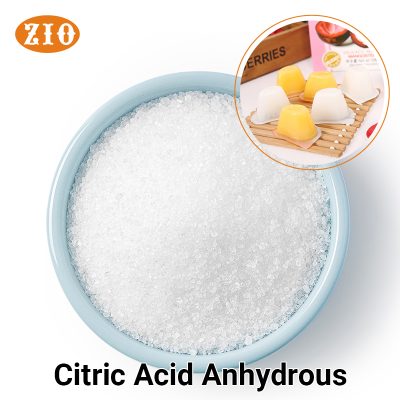
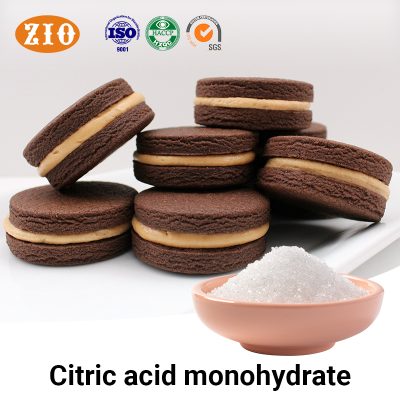
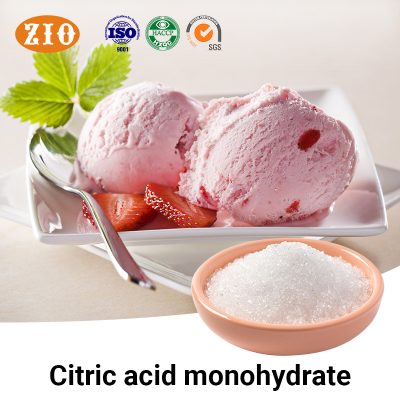
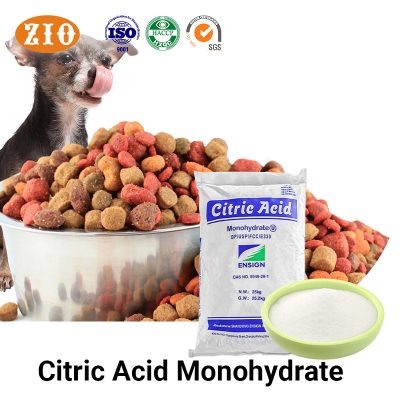
Citric Acid
Most widely used acidulant
Natural, fresh sourness
Chelates metal ions
Used in beverages, candy, jam, sauces
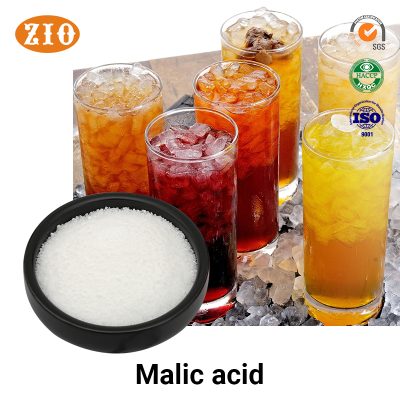
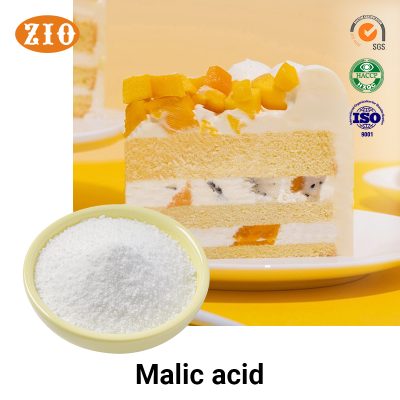
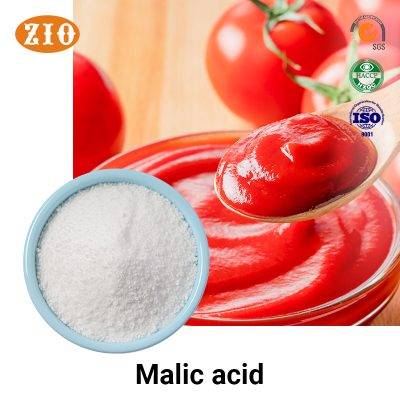
Malic Acid
Smooth, long-lasting acidity
Ideal for fruit-flavored products
Used in beverages, confectionery
Tartaric Acid
Strong, clean acidity
Common in grape-based foods
Used in candy and baking
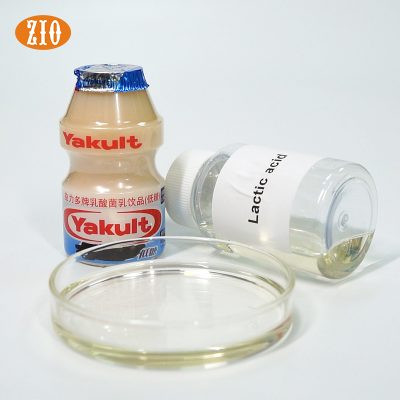
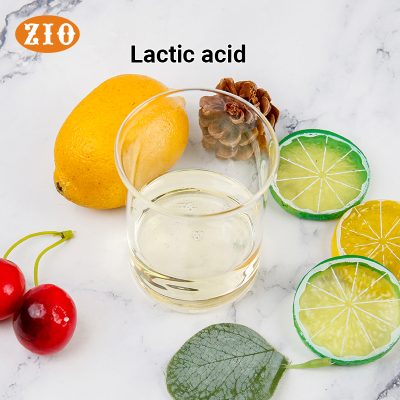
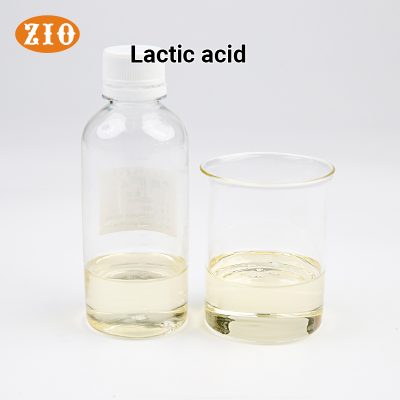
Lactic Acid
Mild, creamy acidity
Suitable for dairy and fermented foods
Enhances water retention in meats
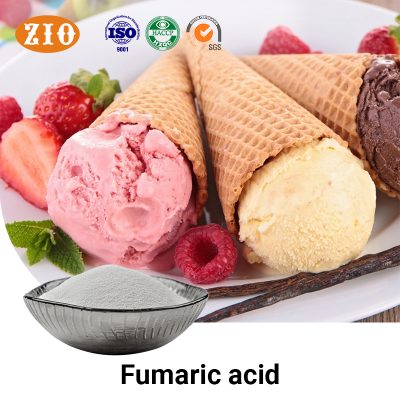
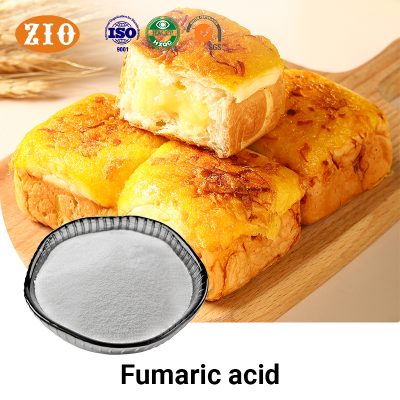
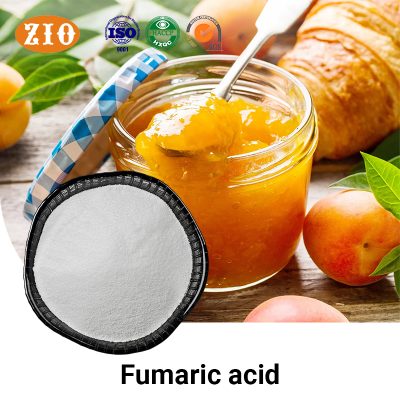
Fumaric Acid
Strong acidity, highly economical
Stable and non-hygroscopic
Ideal for powdered beverages and bakery mixes
3. Applications Across the Food Industry
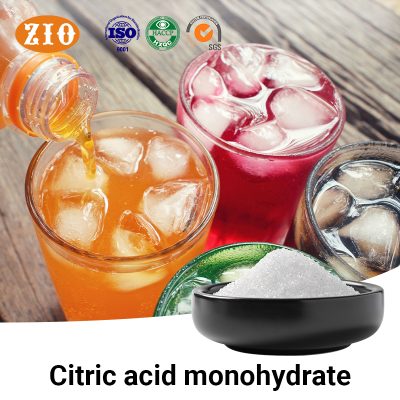
Beverages
Primary source of acidity
Flavor enhancement
pH control
Candy & Bakery
Balances sweetness
Controls leavening in baking
Improves texture
Meat Products
Stabilizes color
Improves juiciness
Extends freshness
Sauces & Condiments
Enhances flavor
Supports microbial control
Improves emulsion stability
Fruit Processing
Prevents oxidation
Maintains color
Improves texture
4. Market Trends
Growing demand for natural acidulants
Emphasis on clean label ingredients
Rising popularity of beverages & plant-based food
Development of multifunctional acidulants
5. Choosing a Reliable Acidulant Supplier
Key considerations:
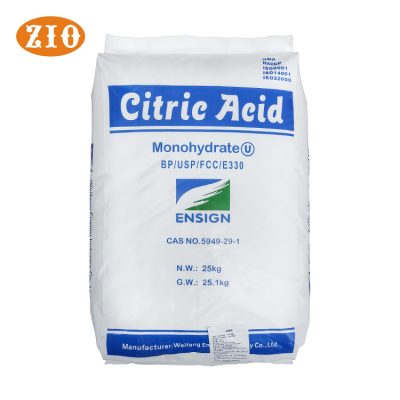
Compliance with FCC / E330 / E296
Certifications like ISO, Halal, Kosher
Export capability
Technical support & stable supply chain
Professional suppliers provide full-service solutions from formulation support to logistics.
Conclusion
Acidulants are far more than souring agents—they are central to flavor, freshness, safety, and stability in modern food production. With increasing demand worldwide, acidulants continue to play a critical role across beverages, bakery, confectionery, meat, sauces, and fruit processing industries.



-5-400x400-c.jpg)