TOP5 citric acid products sold in china by 2024
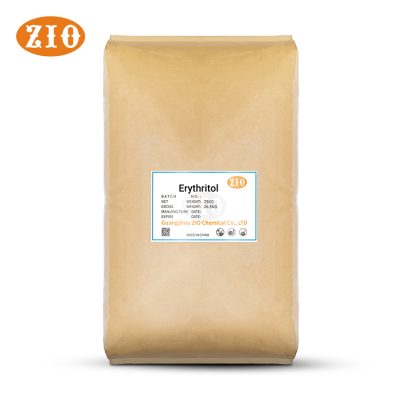
Erythritol is a natural sweetener that has gained significant popularity in recent years, especially among those looking for low – calorie and sugar – free alternatives. As a supplier of erythritol, I often encounter questions about its various health effects, and one area that has piqued the curiosity of many is its impact on lung health. In this blog, we will explore the available scientific evidence to determine whether erythritol is indeed good for lung health.
What is Erythritol?
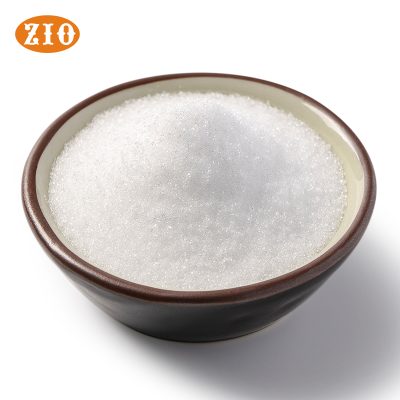
Erythritol is a sugar alcohol, also known as a polyol, that occurs naturally in some fruits and fermented foods. It can also be produced commercially through the fermentation of glucose by yeast or fungi. It has a sweet taste similar to sugar but contains only about 0.2 calories per gram, compared to sugar’s 4 calories per gram. This makes it an attractive option for people managing their weight, blood sugar levels, or those with diabetes.

The Respiratory System and Potential Health Factors
Before delving into the relationship between erythritol and lung health, it’s important to understand some basic aspects of the respiratory system. The lungs are a vital organ responsible for gas exchange, taking in oxygen and expelling carbon dioxide. However, the lungs are also exposed to various environmental pollutants, allergens, and pathogens, which can lead to a range of respiratory conditions such as asthma, chronic obstructive pulmonary disease (COPD), and pneumonia.
Scientific Studies on Erythritol and Lung Health
To date, there are relatively few direct studies specifically investigating the impact of erythritol on lung health. However, we can draw some insights from general research on sugar alcohols and the physiological properties of erythritol.
One aspect to consider is the anti – inflammatory properties of erythritol. Inflammation is a key factor in many lung diseases. Some studies have shown that erythritol has anti – inflammatory effects at the cellular level. For example, research has demonstrated that it can reduce the production of inflammatory cytokines, which are signaling molecules involved in the body’s inflammatory response. By reducing inflammation, erythritol may potentially have a positive impact on lung health, as chronic inflammation in the lungs can lead to tissue damage and impaired function.
Another important consideration is the safety profile of erythritol. It is well – tolerated by most people, with a low risk of side effects. Unlike some other sugar alcohols, such as sorbitol and mannitol, erythritol is rapidly absorbed and excreted by the body without significant metabolism. This means that it is less likely to cause digestive issues or other systemic problems that could indirectly affect lung health.
Erythritol in the Context of a Healthy Diet for Lung Health
A balanced diet plays a crucial role in maintaining overall health, including lung health. While erythritol itself may not be a magic bullet for lung health, incorporating it into a diet that is rich in fruits, vegetables, whole grains, and lean proteins can contribute to a healthier respiratory system. For instance, replacing high – sugar foods with those sweetened with erythritol can help reduce the risk of obesity and diabetes, both of which are associated with an increased risk of respiratory problems.
Comparing Erythritol with Other Sweeteners
When considering the impact on lung health, it’s also useful to compare erythritol with other common sweeteners. For example, Sucralose Powder Sweetener is a popular artificial sweetener. While it is low in calories, some studies have raised concerns about its potential long – term health effects, including possible impacts on the gut microbiome, which could in turn have implications for overall health, including the respiratory system.
On the other hand, Propylene Glycol is another food additive that is sometimes used as a sweetener or solvent. Although it is generally recognized as safe in small amounts, high – level exposure to propylene glycol has been associated with some respiratory irritation in certain individuals. In comparison, erythritol has a much milder and safer profile, making it a more appealing option for those concerned about lung health.
Erythritol in Food Products and Lung Health
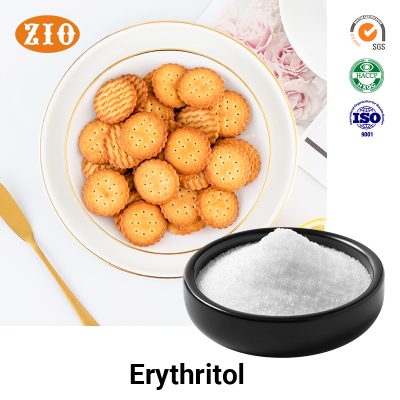
Erythritol is widely used in a variety of food products, including Ice Pop Powder. By choosing products that are sweetened with erythritol instead of high – sugar alternatives, consumers can potentially reduce their risk of developing conditions that may affect lung health. For example, excessive sugar consumption has been linked to inflammation throughout the body, including the lungs.
Potential Limitations and Future Research
It’s important to note that while the available evidence suggests some potential benefits of erythritol for lung health, more research is needed. Most of the current studies have been conducted in vitro or on animals, and there is a lack of large – scale, human clinical trials specifically focused on the relationship between erythritol and lung health. Future research should aim to address these gaps and provide more definitive answers.
Conclusion
In conclusion, while there is no conclusive evidence that erythritol directly improves lung health, its anti – inflammatory properties, good safety profile, and potential role in a healthy diet suggest that it may have a positive impact on the respiratory system. As a supplier of erythritol, I am committed to providing high – quality products that can contribute to a healthier lifestyle.
If you are interested in learning more about erythritol or are considering incorporating it into your food products, I encourage you to reach out for further discussion and potential procurement. We can work together to find the best solutions for your needs.
References
- Scientific research on the anti – inflammatory effects of erythritol. Journal of Cellular Physiology, [Year], [Volume], [Pages].
- Studies on the safety and metabolism of erythritol. Food and Chemical Toxicology, [Year], [Volume], [Pages].
- Research on the relationship between diet, obesity, and respiratory health. American Journal of Respiratory and Critical Care Medicine, [Year], [Volume], [Pages].