TOP5 citric acid products sold in china by 2024
Preservatives play a crucial role in various industries, from food and beverages to pharmaceuticals and cosmetics. As a leading preservatives supplier, we understand the importance of these substances and how they work to extend the shelf – life and maintain the quality of products. In this blog, we will delve into the mechanisms behind preservatives and explore their different types.
Understanding the Basics of Preservatives
Preservatives are substances that are added to products to prevent or slow down the growth of microorganisms such as bacteria, fungi, and mold. Microorganisms can cause spoilage, off – flavors, and even pose health risks when they grow in products. By inhibiting their growth, preservatives help ensure that products remain safe and stable for longer periods.
There are several factors that can influence the growth of microorganisms, including temperature, pH, water activity, and the presence of nutrients. Preservatives work by interfering with one or more of these factors to create an environment that is unfavorable for microbial growth.

Types of Preservatives and Their Mechanisms
Chemical Preservatives
Chemical preservatives are the most commonly used type of preservatives. They can be further classified into different categories based on their chemical structure and mode of action.
Acid Preservatives
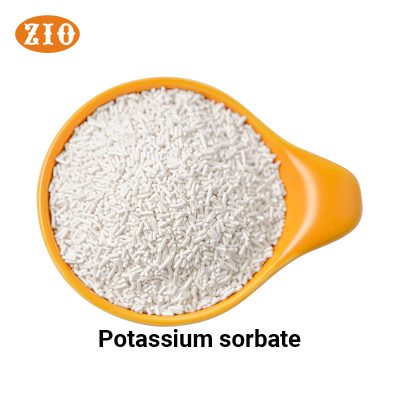
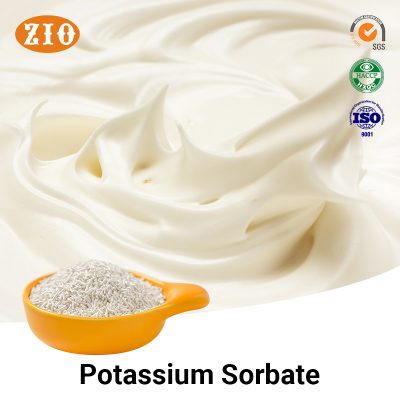
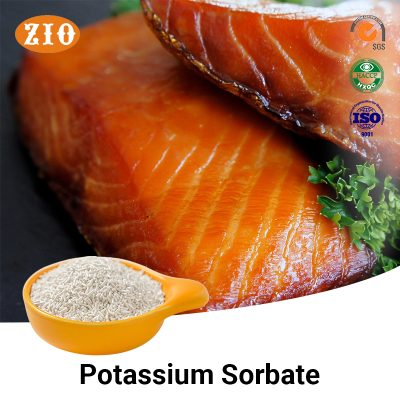
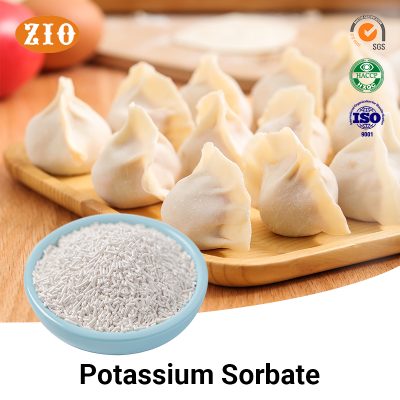
Acid preservatives, such as Acid Preservative Potassium Sorbate For Food and Succinic Acid Crystal For Pharmaceutical, work by lowering the pH of the product. Most microorganisms grow best in a neutral to slightly alkaline pH range. When the pH is lowered, the cell membranes and enzymes of the microorganisms are disrupted, preventing them from functioning properly. For example, potassium sorbate can inhibit the growth of mold, yeast, and some bacteria. It is effective in a wide range of products, including food, beverages, and cosmetics.
Succinic acid, on the other hand, is used in pharmaceutical products. It can act as an acidulant and preservative. By adjusting the pH of the pharmaceutical formulation, it helps to prevent the growth of microorganisms and maintain the stability of the active ingredients.
Salt – Based Preservatives
Salt – based preservatives, like sodium propionate and calcium propionate, are widely used in the food industry. Sodium Propionate Crystal Granule 137 – 40 – 6 and Antibacterial Calcium Propionate For Food work by interfering with the metabolic processes of microorganisms. These salts can penetrate the cell walls of bacteria and fungi and disrupt the normal functioning of their enzymes. They are particularly effective against mold and some bacteria, making them popular choices for bread and other baked goods.
Antioxidants
Antioxidants are a type of preservative that prevent the oxidation of products. Oxidation can lead to the formation of off – flavors, color changes, and the degradation of nutrients in products such as fats, oils, and some dairy products. Antioxidants work by donating electrons to free radicals, which are unstable molecules that initiate the oxidation process. By neutralizing free radicals, antioxidants help to prevent or slow down the oxidation reaction. Common antioxidants used in the food and cosmetic industries include vitamin C, vitamin E, and butylated hydroxytoluene (BHT).
Natural Preservatives
In recent years, there has been a growing demand for natural preservatives due to consumer preferences for more “clean – label” products. Natural preservatives are derived from natural sources such as plants, animals, and microorganisms.
Essential Oils
Essential oils are volatile compounds extracted from plants. They have antimicrobial and antioxidant properties. For example, oregano oil contains carvacrol and thymol, which have been shown to have strong antibacterial and antifungal activities. These compounds can disrupt the cell membranes of microorganisms and inhibit their growth. Essential oils are used in a variety of products, including food, cosmetics, and personal care products.
Plant Extracts
Plant extracts, such as rosemary extract and green tea extract, are also popular natural preservatives. Rosemary extract contains antioxidants such as rosmarinic acid and carnosic acid, which can prevent the oxidation of fats and oils. Green tea extract is rich in catechins, which have antibacterial and antioxidant properties. These plant extracts can be used to extend the shelf – life of products and improve their stability.
Factors Affecting the Effectiveness of Preservatives
The effectiveness of preservatives can be influenced by several factors.
Concentration
The concentration of the preservative is a critical factor. If the concentration is too low, it may not be sufficient to inhibit the growth of microorganisms. On the other hand, if the concentration is too high, it may cause undesirable effects such as off – flavors or toxicity. Therefore, it is important to determine the optimal concentration of the preservative based on the type of product, the type of microorganisms present, and other factors.
pH
As mentioned earlier, pH can have a significant impact on the effectiveness of preservatives, especially acid preservatives. For example, potassium sorbate is more effective at lower pH values. The pH of the product should be carefully adjusted to ensure that the preservative can work optimally.
Temperature
Temperature also affects the growth of microorganisms and the effectiveness of preservatives. Most microorganisms grow best at moderate temperatures. At lower temperatures, the growth rate of microorganisms slows down, and the effectiveness of some preservatives may increase. However, at higher temperatures, the activity of some preservatives may be reduced, and microorganisms may grow more rapidly.
Interaction with Other Ingredients
Preservatives can interact with other ingredients in the product. For example, some ingredients may bind to the preservative, reducing its availability to inhibit the growth of microorganisms. Therefore, it is important to consider the compatibility of the preservative with other ingredients when formulating a product.
Choosing the Right Preservative
As a preservatives supplier, we understand that choosing the right preservative is crucial for the success of your product. When selecting a preservative, you should consider the following factors:
Product Type
Different products have different requirements for preservatives. For example, food products require preservatives that are safe for consumption and do not affect the taste and texture of the food. Pharmaceutical products need preservatives that are compatible with the active ingredients and do not cause any adverse effects. Cosmetics products may require preservatives that are gentle on the skin and do not cause irritation.
Target Microorganisms
You should also consider the type of microorganisms that are likely to grow in your product. Different preservatives have different spectra of activity against microorganisms. For example, some preservatives are more effective against bacteria, while others are more effective against mold and yeast.
Regulatory Requirements
Regulatory requirements vary from country to country. You need to ensure that the preservative you choose complies with the relevant regulations in the markets where your product will be sold.
Our Role as a Preservatives Supplier
As a leading preservatives supplier, we offer a wide range of high – quality preservatives, including Sodium Propionate Crystal Granule 137 – 40 – 6, Acid Preservative Potassium Sorbate For Food, Succinic Acid Crystal For Pharmaceutical, Food Grade Potassium Sorbate Granule, and Antibacterial Calcium Propionate For Food. We have a team of experts who can provide you with professional advice on choosing the right preservative for your product.
We also ensure the quality and safety of our products through strict quality control measures. Our preservatives are manufactured in state – of – the – art facilities, and we conduct comprehensive tests to ensure that they meet the highest standards.
If you are looking for a reliable preservatives supplier, we encourage you to contact us to discuss your specific requirements. We are committed to providing you with the best solutions to meet your needs and help you create high – quality products with extended shelf – lives.
References
- Davidson, P. M., & Sofos, J. N. (2005). Antimicrobials in food. CRC press.
- Pitt, J. I., & Hocking, A. D. (2009). Fungi and food spoilage. Springer Science & Business Media.
- Stratford, M., & Eklund, T. (2003). Food microbiology: fundamentals and frontiers. ASM Press.