TOP5 citric acid products sold in china by 2024
Introduction
Compound sweeteners have become a key ingredient solution in the food industry. By combining multiple sweeteners, manufacturers can improve sweetness quality, reduce sugar content, and optimize production costs.
This article explores the major applications of compound sweeteners in beverages, dairy products, bakery foods, and other food categories.

Compound Sweeteners in Beverages
Carbonated Soft Drinks
Low-calorie soft drinks rely heavily on compound sweetener systems.
Benefits include:
- Reduced sugar
- Stable sweetness
- Better taste balance
- Improved shelf life
Milk Tea and Instant Drinks
Milk tea powders and instant beverage mixes require smooth sweetness and flavor consistency.
Compound sweeteners help:
- Lower sugar usage
- Improve mouthfeel
- Enhance tea flavor
- Reduce bitterness
Energy and Sports Drinks
Functional beverages often contain vitamins, minerals, and plant extracts that may have unpleasant flavors.
Compound sweeteners improve overall taste masking.
Applications in Dairy Products
Yogurt
Low-sugar yogurt products require balanced sweetness.
Compound sweeteners help maintain:
- Creamy mouthfeel
- Flavor harmony
- Stable sweetness
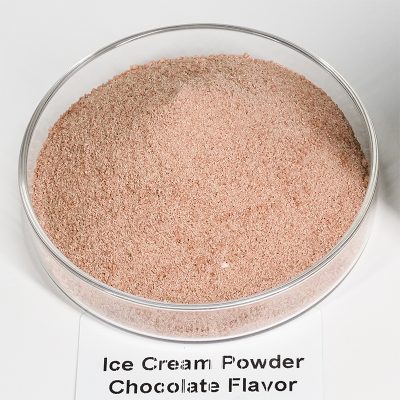
Ice Cream
In reduced-sugar ice cream, compound sweeteners support sweetness while controlling calories.
Flavored Milk
Chocolate milk, strawberry milk, and protein milk drinks commonly use blended sweeteners.
Applications in Bakery Products
Cakes and Muffins
Heat-stable sweeteners are essential for baked products.
Cookies and Biscuits
Compound sweeteners can reduce sugar without affecting texture.
Bread Products
Some sweetener systems improve fermentation compatibility.
Confectionery Applications
Sugar-Free Candy
Blended sweeteners create a sugar-like taste experience.
Chewing Gum
Compound sweeteners provide long-lasting sweetness.
Chocolate Products
Special sweetener systems help reduce bitterness in sugar-free chocolate.
Nutritional and Functional Products
Protein Powders
Protein ingredients sometimes create bitterness.
Compound sweeteners improve palatability and flavor acceptance.
Vitamin Supplements
Many chewable vitamins and syrups require sweetness masking.
Advantages Across Applications
Better Flavor Performance
Different sweeteners complement each other.
Reduced Calories
Manufacturers can meet healthy product demands.
Improved Cost Control
Sweetness efficiency helps reduce formulation costs.
Product Flexibility
Customized sweetener systems fit different product categories.
Choosing the Right Sweetener System
Different applications require different technical properties.
Important factors include:
- Heat resistance
- Solubility
- pH stability
- Sweetness intensity
- Mouthfeel
- Regulatory compliance
Conclusion
Compound sweeteners are widely used across beverages, dairy products, bakery foods, confectionery, and nutritional products. Their flexibility and performance make them essential for modern food manufacturing.
As consumer demand for healthier foods continues growing, compound sweeteners will remain an important innovation tool for food manufacturers worldwide.
Keywords: compound sweetener applications, beverage sweetener, dairy sweetener, bakery sweetener, sugar free candy, low sugar food ingredients, milk tea sweetener, ice cream sweetener, custom sweetener blend, food ingredient supplier