TOP5 citric acid products sold in china by 2024
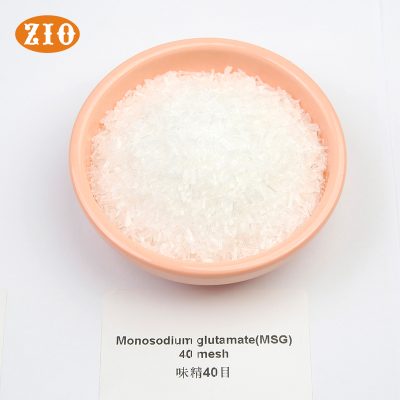
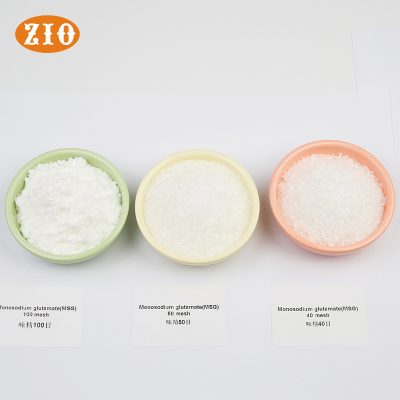
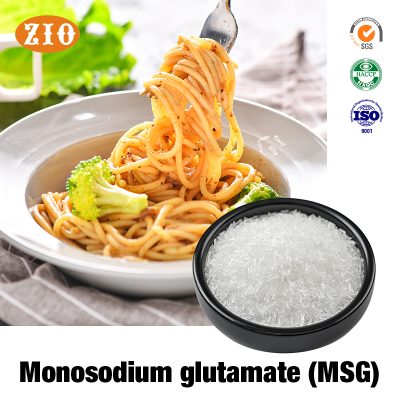
[Introduction]: In the first quarter of 2026, the domestic MSG market broke away from the sluggish trend of 2025, with prices showing a pulsed upward trend. The mainstream transaction price of 40-mesh MSG climbed from a low of 6,000 yuan/ton in the fourth quarter of last year to around 7,350 yuan/ton at the end of March, a cumulative increase of about 23%, marking the largest quarterly increase in nearly two years. This round of price increases is the result of multiple factors, including rapidly rising costs, tight supply and demand, and industry sentiment. The industry is gradually moving from deep losses to break-even. Looking ahead to the second quarter, the MSG market may be in a phase where cost support remains but demand slows down, and prices may enter a period of digestion and adjustment.
In the first quarter, leading companies actively supported prices, leading to a rapid rise in MSG prices..

Costs increased across the board in the first quarter, with costs playing a strong role in driving up prices.
The rise in MSG prices in the first quarter was the result of multiple factors, including costs, supply and demand, and market sentiment, with the rigid increase in costs being the fundamental premise. Corn is the core raw material for MSG production, accounting for about 60% of production costs, and fluctuations in corn prices directly determine the level of MSG costs. The sustained rise in corn prices in the first quarter was due to two main reasons: firstly, tight supply, with farmers reluctant to sell, resulting in limited remaining grain available in the market; and secondly, a recovery in demand, with increased operating rates in the corn deep-processing industry after the Spring Festival, leading to increased restocking demand and further depleting corn supply. By mid-March, as sales gradually resumed at the grassroots level, changes in the Middle East situation led to a renewed bullish market sentiment, pushing prices even higher. As a result, the average domestic corn price rose from 2235.63 yuan/ton at the beginning of January to 2331.26 yuan/ton at the end of March, an increase of 4.3%, making corn the core driver of cost increases.
Furthermore, the fermentation, extraction, and crystallization processes in monosodium glutamate (MSG) production are highly dependent on energy and chemical auxiliary materials. The simultaneous rise in energy and auxiliary material prices in the first quarter further exacerbated the cost pressure on enterprises. Specifically, the thermal coal market was affected by multiple factors, including downstream demand for stockpiling before the Spring Festival holiday, mine shutdowns for the holiday, and international geopolitical tensions. Coal prices remained high and strong, with the average price of Q5500 kcal thermal coal rising from 525 yuan/ton at the beginning of the year to 547.5 yuan/ton at the end of the quarter, an increase of 4.3%. The sulfuric acid market saw the most significant price increase, influenced by overall price increases in the energy and chemical sector and reduced supply due to plant maintenance, with a quarterly increase of 56%. Liquid ammonia prices rose from 2272.5 yuan/ton at the beginning of the year to 2541.4 yuan/ton at the end of March, a quarterly increase of 11.8%, further increasing the auxiliary material costs for MSG production. In addition, geopolitical conflicts in the Middle East led to a surge in international oil prices and multiple increases in domestic diesel prices, increasing logistics and transportation costs year-on-year, further raising the overall costs for enterprises.
Deep industry losses made price increases an inevitable choice for survival.
In 2025, MSG prices generally trended downwards, with the price of fine-grained MSG falling to a low of around 5,000 yuan/ton, while the industry’s loss peak was nearly 1,000 yuan/ton after offsetting losses. Under continuous losses, some companies had to shut down, and leading companies faced increased cash flow pressure. Against this backdrop, price increases became the only way for companies to alleviate losses and maintain production. Leading companies took the lead in raising prices, demonstrating a positive and unified attitude, and small and medium-sized enterprises gradually followed suit. Coupled with the impact of sudden geopolitical events, this created an industry-wide wave of price increases.
Downstream demand was released, and the supply and demand structure saw a phased recovery in the first quarter.
Following the industry reshuffle in 2025, the operating rate of production enterprises in Heilongjiang Province decreased. In 2026, the concentration of the MSG industry further increased, with the CR3 market share exceeding 84%. In the first quarter, the MSG industry’s operating rate remained at 87%-92%, and the supply of fine-grained MSG was tight. On the demand side, after the Spring Festival, end-user companies and traders gradually replenished their inventories, leading to a surge in downstream demand. Stimulated by continuous increases in raw material prices and escalating geopolitical tensions, downstream buyers held bullish expectations for the market outlook, significantly increasing their restocking activity. This resulted in temporary shortages of some product specifications, further accelerating price increases. In March, MSG producers’ inventories decreased by approximately 13% month-on-month, providing some bottom support for MSG price increases.

Raw material costs will remain a crucial factor in determining the bottom of MSG prices in the second quarter, but fluctuations in downstream demand may be key to a turning point in MSG price trends.
MSG market price fluctuations exhibit certain seasonal characteristics. For the second quarter, prices have declined in 7-9 out of the past 13 years. From a supply and demand perspective, with the recovery of production in Heilongjiang province, the industry’s operating rate may return to 92%-93% in the second quarter, leading to a quarter-on-quarter increase in supply. On the demand side, holidays such as May Day and Dragon Boat Festival will boost catering and food processing demand. However, given that MSG prices have already reached a relatively high level, downstream users will prioritize selling, resulting in decreased restocking and potentially increased downward pressure on demand compared to the previous period.
In the second quarter, MSG production costs will remain high, with continued upward pressure and a significant decline unlikely. The second quarter marks the start of the corn planting season. Currently, domestic corn reserves at the grassroots level are limited, and farmers remain reluctant to sell. Furthermore, if droughts or floods occur in major producing areas during the spring planting season, it will affect the corn planting area and yield, further pushing up corn prices and continuing to support the cost of MSG raw materials. Secondly, energy and auxiliary materials are likely to remain stable at high levels, unlikely to decline significantly. Coal demand is expected to increase further due to the anticipated peak summer electricity consumption, and prices may fluctuate upwards. The supply of auxiliary materials such as liquid ammonia and sulfuric acid will increase slightly, but supported by costs, it is expected to remain at high levels. Therefore, overall, the average production cost of MSG in the second quarter may increase slightly compared to the first quarter, and the industry will remain on the edge of marginal profit or break-even. The cost side will continue to provide strong support for MSG prices.

In summary, MSG prices in the second quarter are likely to show a trend of initial strength followed by stabilization. Prices may continue to rise in April and May, with leading companies coordinating to maintain prices. The peak price for 40-mesh MSG is expected to reach 8,000 yuan/ton, with the average price gradually shifting upwards. However, as high-priced demand is hampered and industry inventory gradually accumulates while market supply increases, a supply-demand imbalance will emerge in late May, potentially leading to price fluctuations. The average price for 40-mesh MSG may return to a more rational range of 7,000-7,300 yuan/ton.
Risk Warning: If the prices of major raw materials fall sharply and domestic and international demand falls short of expectations, prices may experience a temporary correction, but the adjustment space is limited, and the industry is unlikely to return to the loss-making state of 2025.
Source: Zhuo Chuang Information)