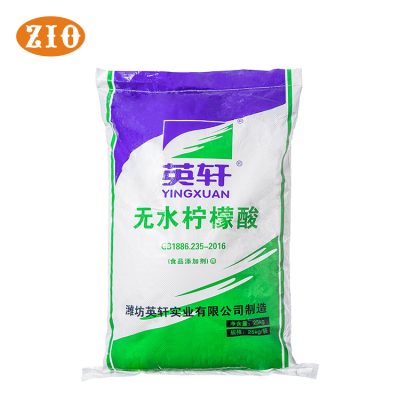
TOP5 citric acid products sold in china by 2024
Beverages represent the largest and most technically demanding application area for food acidulants. From carbonated soft drinks and fruit juices to functional beverages and powdered drink mixes, acidulants play a central role in defining taste, stability, shelf life, and brand identity.
In beverage formulation, acidulants are not optional ingredients-they are essential tools for flavor control and product consistency.

Why Acidulants Are Critical in Beverage Formulation
Unlike solid foods, beverages deliver flavor immediately and directly to the palate. Any imbalance in acidity is instantly noticeable to consumers. Acidulants help beverage manufacturers achieve several critical objectives simultaneously:
Provide refreshing sourness and flavor brightness
Balance sweetness, especially in high-sugar or low-calorie drinks
Enhance fruit flavor authenticity
Stabilize color, aroma, and active ingredients
Control pH to ensure microbial safety
Without properly selected acidulants, even well-formulated beverages can taste flat, overly sweet, or chemically artificial.
Key Functions of Acidulants in Beverages
Flavor Enhancement and Balance
Acidulants amplify flavor perception by sharpening taste contrast. In fruit-flavored beverages, acids make flavors more vivid and recognizable. In functional drinks, they help mask bitterness from vitamins, minerals, and plant extracts.
pH Control and Microbial Stability
Maintaining the correct pH is essential for beverage safety. Acidulants help suppress microbial growth and improve preservative effectiveness, reducing the risk of spoilage during storage and distribution.
Stability of Color and Active Ingredients
Many natural colors and bioactive compounds are sensitive to pH changes. Acidulants help maintain a stable environment that preserves color vibrancy and ingredient efficacy over shelf life.
Commonly Used Acidulants in Beverage Applications
Citric Acid
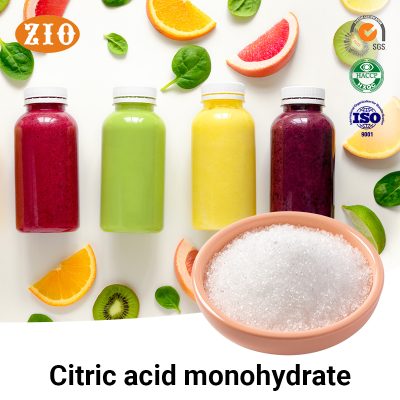
Citric acid is the most widely used acidulant in beverages due to its high solubility, clean sour taste, and excellent buffering capacity.
It is commonly used in carbonated drinks, fruit juices, sports drinks, and flavored waters. Citric acid delivers a fast-acting, refreshing sourness that consumers associate with citrus freshness.
However, when used alone at high levels, it can produce a sharp acidity spike that fades quickly.
Malic Acid
Malic acid provides a smoother, longer-lasting sourness compared to citric acid. It is especially effective in fruit-based beverages such as apple, berry, and tropical flavors.
Malic acid enhances mouthfeel and extends flavor perception, making it ideal for reduced-sugar and sugar-free beverages where sweetness is limited.
Lactic Acid
Lactic acid offers a mild, rounded acidity and is often used in dairy-based beverages, fermented drinks, and functional beverages.
It contributes to a natural, less aggressive sour profile and is frequently used in combination with citric acid to soften overall acidity.
Fumaric Acid
Fumaric acid is used primarily in powdered beverage mixes due to its low hygroscopicity and strong acid strength.
Its slow solubility makes it suitable for applications requiring delayed acid release or long shelf stability in dry environments.
Acidulant Strategies for Different Beverage Categories
Carbonated Soft Drinks
Carbonated beverages rely heavily on acidulants to balance sweetness and carbonation. Citric acid remains the primary choice, often blended with malic acid to improve flavor persistence.
Fruit Juices and Juice Drinks
In juice-based beverages, acidulants help standardize flavor across different fruit harvests. Malic acid is commonly used to enhance natural fruit acidity, while citric acid adjusts overall pH.
Functional and Energy Drinks
These beverages often contain vitamins, minerals, amino acids, and plant extracts that introduce bitterness or metallic notes. Acidulants play a key role in masking off-flavors and improving drinkability.
Blended acid systems are frequently used to achieve a balanced sensory profile.
Powdered Drink Mixes
Powdered beverages require acidulants with good flowability and moisture resistance. Fumaric acid and encapsulated acid systems are popular choices for maintaining stability during storage.
Single Acid vs Blended Acid Systems in Beverages
While single acidulants can be sufficient for simple formulations, modern beverage development increasingly relies on blended acid systems.
Benefits of blended acidulants include:
More natural sourness
Improved flavor layering
Reduced sharpness
Better compatibility with sweeteners
Blended systems allow formulators to fine-tune acidity without increasing total acid dosage.
Regulatory and Labeling Considerations
Acidulants used in beverages must comply with food additive regulations in target markets. Requirements vary by region, including:
Approved acid types
Maximum usage levels
Label declaration standards
Manufacturers exporting beverages globally must ensure acidulant selection aligns with international compliance requirements.
Trends in Beverage Acidulant Innovation
Several trends are shaping the future of acidulants in beverages:
Growing demand for natural and plant-derived acidulants
Increased use of low-sugar and sugar-free formulations
Preference for clean-label ingredients
Development of customized acid blends
As consumer expectations rise, acidulants are evolving from basic ingredients to tailored flavor solutions.
Conclusion
Acidulants are fundamental to beverage success. They define refreshment, enhance flavor authenticity, stabilize formulations, and ensure safety.
For beverage manufacturers, choosing the right acidulant system is not just about acidity-it is about delivering a consistent, enjoyable, and competitive drinking experience.