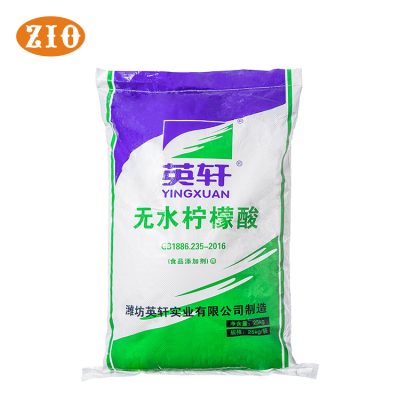
TOP5 citric acid products sold in china by 2024
In the confectionery and snack food industry, acidulants are not simply functional additives—they are critical sensory drivers that shape consumer perception, enjoyment, and brand differentiation. From hard candies and gummies to sour snacks and coated products, acidulants determine whether a product feels exciting, memorable, and addictive.
In many successful confectionery products, acidity plays an equal or even greater role than sweetness.

Why Acidulants Are Essential in Confectionery
Sweetness alone often leads to rapid flavor fatigue. Products that rely solely on sugar can taste flat, cloying, and one-dimensional. Acidulants counteract this effect by introducing contrast and balance.
In confectionery applications, acidulants help to:
- Reduce excessive sweetness
- Enhance fruit flavor authenticity
- Create layered taste experiences
- Extend flavor perception during chewing
- Increase consumer excitement and repeat purchase
This is especially important for younger consumers who favor bold, dynamic flavor profiles.
Functional Roles of Acidulants in Candy and Snacks
Flavor Balance and Intensity
Acidulants sharpen flavor perception and intensify fruit notes. Strawberry, lemon, apple, and berry flavors rely heavily on acidity to taste realistic and vibrant.
Sensory Layering
Many popular candies are designed with multi-stage flavor release—initial sour impact followed by sweetness and a lingering aftertaste. Acidulants with different solubility and release rates make this possible.
Shelf-Life and Stability
Acidic environments inhibit microbial growth and help maintain product stability, especially in high-moisture candies and coated snacks.
Common Acidulants Used in Confectionery
Citric Acid
Citric acid provides a fast, sharp sourness and is widely used in hard candies, sour coatings, and powdered seasonings. Its high solubility makes it ideal for surface applications.
Malic Acid
Malic acid delivers a smoother, longer-lasting sourness and is particularly popular in gummies, chews, and reduced-sugar candies. It enhances mouthfeel and prolongs flavor perception.
Tartaric Acid
Tartaric acid produces an intense sour impact and is often used in specialty or extreme-sour products. Due to its strength, precise dosage control is required.
Fumaric Acid
Fumaric acid is valued for its low hygroscopicity and strong acidity. It is commonly used in dry candy mixes and chewy confections requiring delayed acid release.
Acidulant Strategies by Product Type
Hard Candy
Fast-dissolving acidulants such as citric acid provide immediate sour impact. Blends with malic acid improve flavor persistence.
Gummies and Chewy Candy
Malic acid is preferred for its smooth acidity and extended release. Blended acid systems create layered flavor effects.
Sour Snacks and Coated Products
Surface-applied acidulants deliver a strong first impression. Particle size and adhesion properties are critical for consistent coverage.
Market Trends in Sour Confectionery
The global demand for sour candies and tangy snacks continues to grow. Consumers increasingly seek bold flavors, novel taste experiences, and nostalgic products with a modern twist.
This trend has driven innovation in acidulant blends, encapsulated acids, and controlled-release systems.
Conclusion
In confectionery and snack foods, acidulants are powerful tools for creating excitement and differentiation. When used strategically, they transform simple sweet products into dynamic sensory experiences that drive consumer loyalty.