TOP5 citric acid products sold in china by 2024
[Introduction] The MSG market in September failed to see the expected “peak season” boost; prices remained under pressure overall, with the monthly average declining. Throughout the month, the industry maintained high operating rates and ample supply, while restocking for the dual holidays lacked sustained momentum—limiting downstream activity primarily to essential replenishment—thereby intensifying the supply-demand imbalance. With the gradual arrival of the new corn crop, cost support weakened at the margin, leaving MSG prices without a strong driver for growth. Looking ahead to October, the influx of new grain suggests cost pressures are more likely to ease than tighten, and the loose supply landscape is unlikely to change; consequently, the MSG market may continue its sluggish trend. A rebound will depend on a substantive recovery in supply-demand dynamics and coordinated adjustments by leading enterprises.
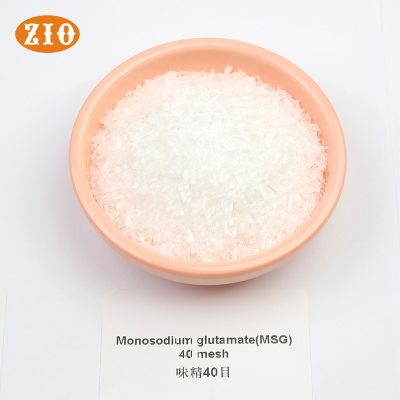
In September, MSG prices exhibited a trend of “corrective decline from high levels followed by a slow downward drift.” In August, bolstered by the back-to-school season and anticipated stocking for the Mid-Autumn Festival and National Day holidays, leading manufacturers signaled price hikes, raising quotes by 100 yuan/tonne. However, due to limited growth in actual downstream orders and inconsistent resolve among manufacturers to maintain price levels—with some gradually offering concessions to boost sales—prices began to soften as the month drew to a close. Entering September, the MSG industry maintained high operating rates and ample supply, yet demand growth during the traditional peak season fell short of expectations, causing inventory pressure to accumulate upstream. Meanwhile, weakening corn prices reduced cost-side support for the market; consequently, price movements were shaped by a complex interplay of supply-demand dynamics and cost factors. According to data from Zhuochuang Information, as of September 16, the prevailing transaction price for bulk MSG (40–60 mesh) ranged from 6,300 to 6,750 yuan/tonne, while the indicative price for 80-mesh product was 6,150–6,250 yuan/tonne; there remained room for negotiation on large-volume orders.
Figure 1 Price trends of crystals from leading companies

Source: Zhuochuang Information
The Tug-of-War Between Supply and Demand Fundamentals: Ample Supply Intertwined with Weak Realities During the Peak Season
September is typically a peak sales season for MSG, characterized by distinct seasonal trends; however, this year has seen a “lackluster peak season.” Data from Zhuochuang Information indicates that as of September 10, the industry’s weekly operating rate stood at 92.1%. While leading enterprises maintained stable production and market supply remained ample, downstream buyers—generally inclined to purchase when prices rise rather than fall—showed little enthusiasm for restocking; instead, they focused on clearing existing inventory and replenishing stock only as needed, resulting in consistently sluggish sales volumes. The inability of demand to fully absorb the increased supply in September, combined with fierce competition among manufacturers, is the primary reason for the downward shift in price levels.

Source: Zhuochuang Information
Cost side: Corn prices are gradually weakening, and cost support is marginally diminishing.
Monosodium glutamate (MSG) is produced from corn through fermentation, extraction, and refining; thus, the price of corn forms the foundation of its production costs. In September, the domestic corn market entered the transition period between old and new crops. As corn from North China hit the market in large volumes, traders became more willing to sell; consequently, deep-processing enterprises in Shandong saw consistently high delivery volumes, leading to successive reductions in procurement prices. With the new corn season getting underway in Northeast China, the national average corn price trended downward overall. Data from Zhuochuang Information indicates a month-on-month decline in the national average corn price for September. As of September 15, the national average price stood at 2,217.72 yuan per tonne, marking a month-on-month drop of 0.72% and a year-on-year decrease of 3.79%. While the weakening corn market alleviated cost pressures for enterprises, it also influenced the finished product sector through a “buy on the rise, not on the fall” mentality, thereby dampening the market’s willingness to support prices. Additionally, prices for auxiliary materials such as sulfuric acid remained soft—with the notable exception of thermal coal, which held firm at a high level—resulting in a cost structure that prevented a sharp drop in MSG prices but offered no impetus for an increase.

Source: Zhuochuang Information
Monosodium glutamate prices may remain weak in October, with limited expectations for a rebound.
The MSG market is currently shifting from a phase of “peak season validation” to one of “rebalancing costs and supply.” The market is expected to continue its slow decline in October, with downward pressure on the average price persisting month-on-month. Regarding supply, industry output may rise further in October as some enterprises increase production; supplies are plentiful, and the pattern of inventory concentration at the upstream level is unlikely to change in the short term. On the demand side, the stocking window for the dual holidays has passed; while there is potential for limited downstream restocking post-holiday, its impact on market trends will be minimal. Regarding costs, corn in North China is entering its peak market-arrival period in October; deep-processing enterprises continue to drive down prices, and the average corn price may fall further, meaning cost-side support is likely to weaken rather than strengthen. Taking supply, demand, and cost factors into account, the average MSG price is projected to edge down month-on-month in October, with the average price for large-package (40–60 mesh) product hovering around 6,380 yuan/tonne. A price rebound will require a combination of supply-side contraction and downstream restocking, alongside coordinated price adjustments among leading enterprises.