TOP5 citric acid products sold in china by 2024
Food preservatives are widely used across different food categories to control microbial growth and extend shelf life. Understanding the characteristics and suitable applications of each preservative helps manufacturers optimize formulations while meeting regulatory requirements.
Common Antimicrobial Preservatives
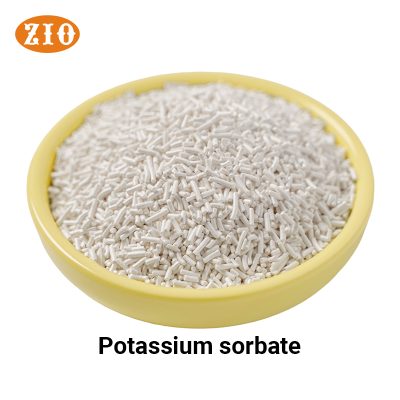
Potassium Sorbate
Effective against molds and yeasts, commonly used in beverages, dairy products, sauces, and bakery fillings.
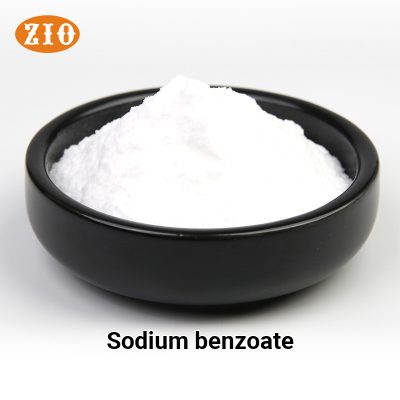
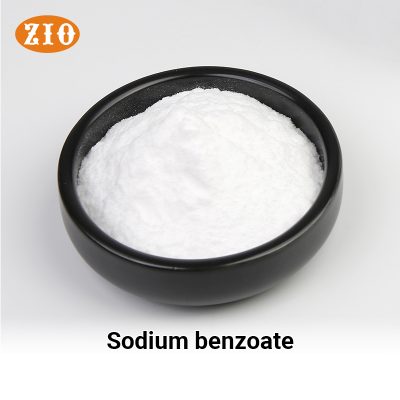
Sodium Benzoate
Works best in acidic systems. Widely applied in soft drinks, fruit juices, pickled foods, and condiments.

Calcium Propionate
Primarily used in bakery products to inhibit mold growth without affecting yeast fermentation.
Antioxidant Preservatives
BHA and BHT
Prevent fat oxidation in oils, fats, snacks, and processed foods.
Ascorbic Acid (Vitamin C)
Used in beverages, canned fruits, and meat products to prevent oxidation and discoloration.
Preservatives by Food Category
- Beverages: Potassium sorbate, sodium benzoate
- Sauces & Dressings: Sodium benzoate, potassium sorbate, EDTA
- Bakery: Calcium propionate, sorbic acid
- Dairy: Natamycin, potassium sorbate
- Meat & Seafood: Sodium nitrite, ascorbic acid
Choosing the right preservative system ensures product safety, quality, and regulatory compliance.