TOP5 citric acid products sold in china by 2024
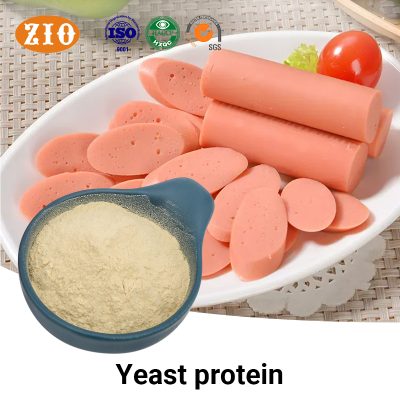
Food manufacturers are continuously exploring new ingredients to meet changing nutritional needs and product development goals. Yeast protein is one protein ingredient that can be evaluated for a variety of food applications, including nutritional powders, beverages, bakery products, snacks, and plant-based formulations.
Derived from yeast biomass through different cultivation and processing methods, yeast protein can provide a protein source for food product development. Its suitability depends on the product specification, manufacturing process, sensory characteristics, and intended application.
For food ingredient buyers, understanding how yeast protein performs in different formulations is essential before introducing it into commercial production.
What Makes Yeast Protein Relevant to Food Manufacturing?
Yeast protein offers food manufacturers another option when evaluating protein ingredients for formulated foods.
Depending on the specific product, manufacturers may consider yeast protein for:
- Protein enrichment
- Customized nutritional formulations
- Powdered food and beverage products
- Protein blends
- Specialized food development projects
However, not all yeast-derived ingredients have the same composition or functionality. Buyers should distinguish protein-rich yeast ingredients from yeast extracts and other yeast-based products.
Key Applications of Yeast Protein
1. Nutritional Powders
Yeast protein can be evaluated for use in nutritional powder formulations.
Manufacturers may combine protein ingredients with carbohydrates, flavors, sweeteners, vitamins, minerals, or other functional ingredients to develop customized products.
Important considerations include protein content, powder flow, dispersibility, taste, and compatibility with other ingredients.
2. Protein Beverages
Protein beverages require ingredients that perform well in liquid systems.
When evaluating yeast protein for beverages, manufacturers should examine:
- Solubility and dispersion
- Sedimentation
- Mouthfeel
- Flavor and aroma
- Stability at the intended pH
- Performance under processing conditions
Application trials are essential because the performance of a protein ingredient can vary significantly depending on the complete formula.
3. Bakery Products
Yeast protein may be investigated for selected bakery applications, including bread, biscuits, cookies, cakes, and bakery premixes.
Adding protein can affect water absorption, dough consistency, texture, color, and baking performance. Therefore, the recipe may need to be adjusted to maintain the desired finished-product quality.
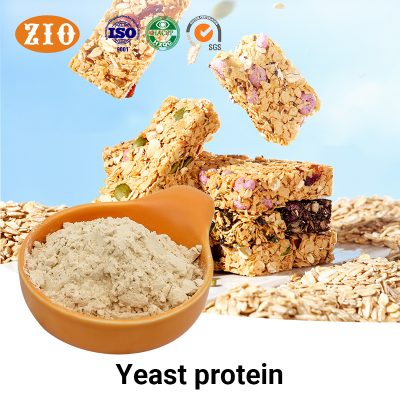
4. Snacks and Protein Bars
Protein-enriched snacks and bars provide another potential application area.
Yeast protein may be incorporated into formulations containing cereals, nuts, seeds, fibers, sweeteners, and flavors.
Manufacturers should evaluate texture, flavor, moisture, and processing behavior to determine whether the ingredient meets the product’s requirements.

5. Plant-Based Food Formulations
Yeast protein can be considered alongside other protein sources during the development of plant-based foods.
Depending on the application, it may be evaluated as part of a protein blend. Its suitability depends on sensory characteristics, nutritional targets, functional performance, and applicable regulations.
Formulation Tips for Food Manufacturers
Start With the Product Specification
Before selecting an ingredient, review its protein content, moisture, ash, appearance, particle size, microbiological parameters, and other relevant specifications.
Test Different Inclusion Levels
Conduct controlled trials using different inclusion levels to evaluate the ingredient’s impact on the finished product.
The appropriate dosage should be established through formulation testing rather than assumed from general recommendations.
Evaluate Flavor and Texture
Protein ingredients can influence the taste, aroma, color, and mouthfeel of food products. Sensory testing helps identify whether additional flavor or formulation adjustments are needed.
Check Processing Compatibility
Test the ingredient under the actual production conditions, including mixing, heating, drying, baking, or other relevant processes.
Conduct Pilot Production
Before scaling up, confirm that the formulation performs consistently in a pilot or production environment.
How to Select Yeast Protein for Commercial Production
B2B buyers should evaluate more than the quoted price. Key considerations include product consistency, documentation, sample availability, packaging, supply capacity, and technical support.
Request a current product specification and Certificate of Analysis (COA). Depending on the destination market, additional documentation may be necessary.
Frequently Asked Questions
Can yeast protein be used in all food products?
No. Suitability depends on the ingredient’s specifications, the food matrix, processing conditions, sensory requirements, and applicable regulations.
Can yeast protein be blended with other proteins?
It may be possible, depending on the products involved. Compatibility and finished-product performance should be verified through testing.
How can manufacturers evaluate yeast protein before bulk purchasing?
Review the documentation, request a sample, conduct application trials, and confirm the required quality and regulatory documentation.
Conclusion
Yeast protein provides another ingredient option for food manufacturers developing protein-enriched and specialized food products. Potential applications include nutritional powders, beverages, bakery products, snacks, and selected plant-based formulations.
The best results depend on matching the ingredient specification to the intended application and validating performance before commercial production.
If you are sourcing food ingredients for industrial production, contact ZIO to discuss your application requirements, product specifications, and bulk purchasing needs.