TOP5 citric acid products sold in china by 2024
Introduction
In recent years, ultra-processed foods (UPFs) have become one of the most debated topics in the global food industry.
Consumers, researchers, and regulators are increasingly questioning the health impact of highly processed foods — and food additives are often placed at the center of this discussion.
But are food additives really the problem, or are they being misunderstood?

What Are Ultra-Processed Foods?
Ultra-processed foods refer to industrial formulations made mostly from substances extracted from foods or synthesized in laboratories.
Examples include:
- Packaged snacks
- Instant noodles
- Soft drinks
- Ice cream and frozen desserts
- Ready-to-eat meals
These products often contain multiple additives such as:
- Emulsifiers
- Stabilizers
- Preservatives
- Flavor enhancers
Why Are Ultra-Processed Foods Under Scrutiny?
1. Health Concerns
Several studies have linked high consumption of ultra-processed foods to:
- Obesity
- Diabetes
- Cardiovascular diseases
However, it is important to note that correlation does not always equal causation.
2. Complex Ingredient Lists
Consumers are increasingly concerned about long ingredient lists filled with unfamiliar names.
This has led to:
- Distrust in food additives
- Demand for simpler formulations
3. Media and Social Influence
Social media and online discussions often oversimplify the issue, labeling all additives as “harmful,” which is not scientifically accurate.
Are Food Additives Really the Problem?
The answer is more complex than a simple “yes” or “no.”
Key Facts:
- Most food additives are strictly regulated and tested for safety
- Additives serve important technological functions
- They help ensure food safety, stability, and consistency
👉 The real issue often lies in:
- Excessive consumption of processed foods
- Poor overall dietary balance
The Essential Role of Food Additives
Food additives play a crucial role in modern food production:
1. Food Safety
Preservatives help prevent microbial growth and reduce food waste.
2. Product Stability
Stabilizers and emulsifiers ensure consistent texture and appearance.
3. Improved Consumer Experience
Additives enhance taste, texture, and shelf life.
Industry Response to the UPF Debate
H3: 1. Clean Label Reformulation
Manufacturers are simplifying ingredient lists and reducing artificial additives.
2. Natural Ingredient Development
Growing use of:
- Plant-based stabilizers
- Natural emulsifiers
- Fermentation-derived solutions
3. Increased Transparency
Companies are improving labeling and communication to rebuild consumer trust.
What This Means for Food Manufacturers
To stay competitive, brands must:
- Balance functionality and consumer perception
- Use safer and more recognizable ingredients
- Educate consumers about ingredient functions
- Work with professional ingredient suppliers
How We Support Your Business
As a professional food additive and premix powder supplier, we help you respond to changing market demands:
✅ Our Capabilities:
- Clean label formulation solutions
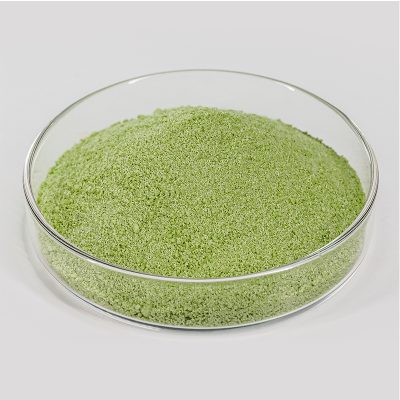
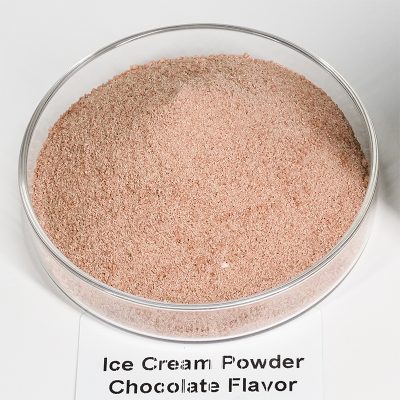
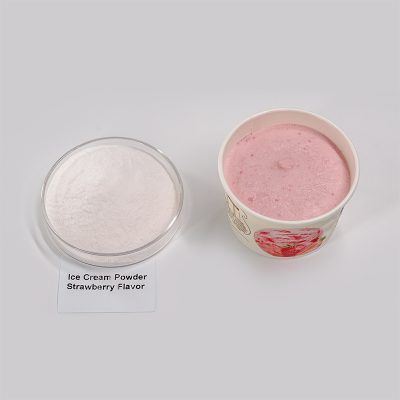
- Ice cream powder, beverage powder, sauce powder
- Customized R&D support
- Stable quality and large-scale production
- Full compliance documentation
👉 From R&D to mass production, we provide a one-stop solution for your product development.
Conclusion
The debate around ultra-processed foods is reshaping the food industry — but it also presents an opportunity.
Food additives are not the enemy. When used correctly, they are essential tools for ensuring food safety, quality, and innovation.
The future belongs to companies that combine science, transparency, and smart formulation.
FAQ
Are ultra-processed foods unhealthy?
Not necessarily. Health impact depends on overall diet and consumption levels, not just processing.
Are food additives safe?
Yes, most additives are approved by regulatory authorities and considered safe within permitted limits.
Why are additives used in processed foods?
To improve shelf life, safety, texture, and taste.
What is the difference between processed and ultra-processed foods?
Ultra-processed foods contain more industrial ingredients and additives compared to minimally processed foods.
How can manufacturers respond to consumer concerns?
By simplifying formulations, improving transparency, and using natural alternatives.