TOP5 citric acid products sold in china by 2024
As demand for protein-enriched foods continues to grow, food manufacturers are looking for versatile protein ingredients that can be incorporated into different formulations. Yeast protein is one ingredient being explored for nutritional powders, beverages, bakery products, snacks, plant-based foods, and other food applications.
Yeast protein is derived from yeast biomass and can provide a concentrated source of protein depending on the product specification and manufacturing process.
For manufacturers, however, understanding yeast protein nutrition involves more than simply looking at the protein percentage. Protein content, amino acid composition, moisture, ash, solubility, taste, color, and processing performance can all affect how the ingredient performs in a finished product.
This article explains the nutritional characteristics of yeast protein, its potential benefits, and the factors manufacturers should consider when using yeast protein powder in food formulations.
What Nutrients Does Yeast Protein Contain?
Yeast biomass naturally contains a variety of nutritional components. Depending on the yeast strain and processing technology, yeast-derived protein ingredients may contain proteins, amino acids, carbohydrates, minerals, and other naturally occurring components.
The exact nutritional profile varies between products.
For commercial applications, buyers should always refer to the manufacturer’s technical specification and Certificate of Analysis (COA) for the actual values.
Important parameters may include:
| Parameter | Importance |
|---|---|
| Protein | Main nutritional component |
| Moisture | Influences powder stability |
| Ash | Indicates mineral content |
| Carbohydrates | Contributes to overall nutritional composition |
| Amino acids | Important for protein quality evaluation |
| Solubility | Important for beverages |
| Particle size | Influences mixing and processing |
Because different yeast protein products are manufactured using different technologies, nutritional values should not be assumed to be identical across suppliers.

Yeast Protein Protein Content
One of the most important specifications for buyers is protein content.
Food manufacturers may use yeast protein to increase the protein contribution of a formulation. The required protein concentration depends on the finished product and the overall recipe.
For example, a protein beverage may require a different ingredient specification from a bakery premix or snack product.
When comparing suppliers, buyers should consider:
- Protein percentage
- Testing method
- Batch-to-batch consistency
- Moisture content
- Amino acid profile
- Solubility
- Sensory properties
Protein percentage alone does not determine whether an ingredient is suitable for a particular food application.
Yeast Protein and Amino Acids
Proteins are made up of amino acids, which play important roles in human nutrition.
The amino acid composition of yeast protein depends on the yeast species, cultivation conditions, and processing method.
For nutritional product development, manufacturers may review the amino acid profile when evaluating yeast protein.
This is particularly relevant when yeast protein is used as part of a protein blend.
Rather than evaluating one protein source in isolation, product developers can assess how different protein ingredients work together to achieve the desired nutritional profile.
Potential Benefits of Yeast Protein
1. Supports Protein-Enriched Food Formulations
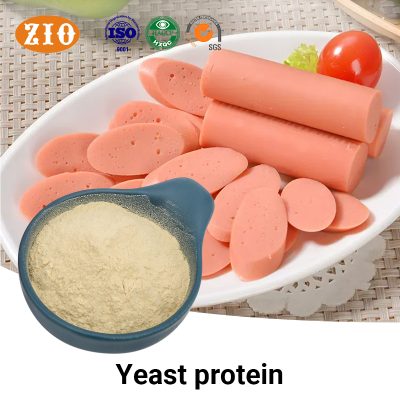
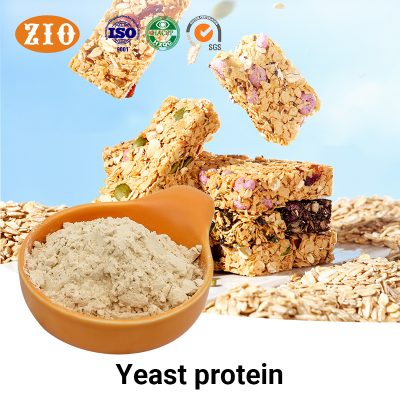
Yeast protein can be used as an ingredient in products designed to provide additional protein.
Potential applications include:
- Protein powders
- Nutritional drinks
- Powdered beverages
- Food bars
- Bakery products
- Snacks
- Plant-based foods
The actual nutritional contribution depends on the amount used in the final formula.
2. Versatile Food Ingredient
Yeast protein can be considered for different types of food formulations.
Manufacturers can evaluate it in both dry and liquid products, depending on the characteristics of the specific ingredient.
This flexibility makes yeast protein relevant to product developers working across several food categories.
3. Powdered Format for Industrial Processing
Yeast protein powder can be easier to handle in commercial production than liquid protein ingredients.
Powder ingredients can be weighed, blended, packaged, transported, and stored using standard dry-ingredient handling systems.
However, storage and handling requirements should always follow the supplier’s product specification.
4. Can Be Used in Protein Blends
Yeast protein does not necessarily need to be used as the only protein source.
Manufacturers can investigate combinations with other protein ingredients depending on their formulation objectives.
Protein blending may be considered when developers want to balance:
- Protein content
- Amino acid profile
- Taste
- Texture
- Solubility
- Cost
- Processing characteristics
Yeast Protein for Sports and Nutrition Products
Protein is an important ingredient in many sports and nutrition products.
Yeast protein may be evaluated as part of formulations for:
- Protein drinks
- Nutritional powders
- Meal replacement products
- Protein bars
- Powdered nutrition mixes
For these applications, product developers typically pay close attention to protein content, taste, dispersion, mouthfeel, and compatibility with flavors and sweeteners.
A sample trial is recommended before commercial production.
Yeast Protein in Plant-Based Food
The plant-based food sector has encouraged manufacturers to investigate a wider range of protein ingredients.
Yeast protein can be considered as one component of a broader protein formulation strategy.
Depending on the product, it may be combined with plant proteins such as pea or soy protein.
The objective is not simply to maximize protein content but to develop a finished product with an appropriate balance of nutritional, sensory, functional, and commercial characteristics.
What Factors Affect Yeast Protein Quality?
Several factors can influence the final quality of yeast protein.
Yeast Strain
Different yeast strains can have different compositions and characteristics.
Fermentation Conditions
Cultivation conditions can influence yeast biomass and the composition of the resulting material.
Processing Technology
Downstream processing can affect protein concentration, solubility, color, flavor, and other properties.
Drying Technology
Drying conditions can influence powder characteristics and stability.
Storage
Proper packaging and storage are important for maintaining ingredient quality throughout its shelf life.
How Should Food Manufacturers Evaluate Yeast Protein?
Before purchasing yeast protein in bulk, manufacturers can evaluate the ingredient using several steps.
Step 1: Review the Specification
Check protein content, moisture, ash, appearance, particle size, microbiological parameters, and other relevant specifications.
Step 2: Request a Sample
A sample allows the R&D team to test the ingredient under actual formulation conditions.
Step 3: Conduct Application Testing
Test the ingredient in the intended food or beverage formula.
Step 4: Evaluate Sensory Characteristics
Check taste, aroma, color, mouthfeel, and overall consumer acceptability.
Step 5: Confirm Documentation
For international food ingredient purchases, confirm the documentation required for the destination market.
Step 6: Conduct a Production Trial
Before moving to large-scale production, conduct a pilot or production-scale trial to confirm processing performance.
Yeast Protein: Nutrition vs. Functionality
For food manufacturers, the nutritional profile is only one part of ingredient selection.
A protein ingredient may have an attractive protein percentage but still require additional formulation work if its solubility, flavor, texture, or processing characteristics do not match the final product.
Therefore, yeast protein should be evaluated from both nutritional and functional perspectives.
A practical evaluation can include:
Nutrition + Solubility + Taste + Texture + Processing + Cost + Supply Stability
This comprehensive approach can help manufacturers select ingredients that are suitable for commercial production.
Frequently Asked Questions About Yeast Protein
Is yeast protein a good source of protein?
Yeast protein can provide a protein-rich ingredient for food and nutrition formulations. The exact protein content depends on the product specification and manufacturing process.
Can yeast protein be used in beverages?
Yes. Certain yeast protein products can be evaluated for powdered or liquid beverage applications. Solubility, dispersion, flavor, and mouthfeel should be tested before commercial use.
Can yeast protein be used with other proteins?
Yes. Depending on the formulation, yeast protein may be combined with other protein sources to develop a customized nutritional profile.
Is yeast protein suitable for food manufacturing?
Food-grade yeast protein can be considered for commercial food applications when it meets the relevant food safety, quality, and regulatory requirements.
How can I evaluate yeast protein before buying?
Requesting a product specification, COA, sample, and application testing support can help determine whether a yeast protein ingredient is suitable for your formulation.
Conclusion
Yeast protein is a versatile protein ingredient that can be used in a variety of food and nutrition applications.
Its nutritional value should be evaluated together with protein content, amino acid composition, solubility, sensory characteristics, processing performance, and quality specifications.
For food manufacturers, testing the ingredient in the actual target formulation is an important step before moving from samples to bulk production.
If you are looking for food-grade yeast protein powder for food manufacturing, nutritional products, beverages, or customized formulations, ZIO can provide product information, samples, specifications, and bulk supply support.
Contact our team to discuss your application and ingredient requirements.